Any Question? Email Us
info@nepalhimalayastrekking.comTalk To An Expert ( Prakash Lamsal )
Any Question? Email Us
info@nepalhimalayastrekking.comTalk To An Expert ( Prakash Lamsal )
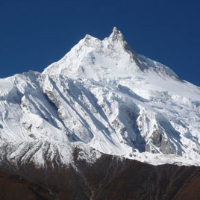
The Manaslu Circuit Trek (2026) is a 14-day route through one of the quietest corners of the Nepal Himalayas, following the Budhi Gandaki gorge past forested trails, jhulunge pul suspension bridges, and remote mountain passes. You'll walk through Gurung and Tibetan settlements along the way, with views opening up to Manaslu (8,163m), Himalchuli, Naike Peak, Ganesh Himal, and the surrounding peaks.
A dedicated rest day in Samagaon helps your body acclimatize before the push over Larke La Pass at 5,106m. Pacing and stops can be tailored to how you want to trek. Since the trail passes through a government-restricted zone, a special permit, a licensed guide, and usually a porter are required, arranged around your preferences and the season's trail conditions, with the full breakdown built into the itinerary.
The Manaslu Circuit Trek is a high-altitude trekking route in the Gorkha district of Nepal that circles Mount Manaslu (8,163 m), the eighth-highest mountain in the world. The route follows the Budhi Gandaki River, passes through traditional Himalayan villages, and crosses the Larke La Pass (5,106 m) before descending into the Annapurna region. Trekkers experience dramatic changes in landscape, climate, and culture over 12–14 days, making it one of Nepal's most diverse trekking adventures.
Officially opened to foreign trekkers in 1991, the trek around Mount Manaslu has earned a reputation as one of Nepal's finest off-the-beaten-path expeditions. Unlike the busier Everest and Annapurna regions, it offers a quieter Himalayan corridor, dramatic mountain scenery, diverse landscapes, and a heritage-rich cultural experience that has remained largely unchanged for generations.
The name Manaslu comes from the Sanskrit word Manasa, meaning soul or intellect, reflecting the mountain's spiritual significance among local communities. Throughout the journey, trekkers experience an ever-changing landscape, from lush subtropical forests and deep river gorges to alpine meadows, glaciers, and high mountain passes, while enjoying panoramic views of Manaslu, Himalchuli, Ganesh Himal, Himlung Himal, and the Annapurna range.
More than just a mountain trek, the Manaslu Circuit combines a challenging high-altitude expedition with rich cultural encounters. The route follows ancient Himalayan trading trails through the isolated Nubri Valley, where Buddhist monasteries, prayer wheels, mani walls, and traditional stone villages offer a glimpse into a way of life that has endured for centuries.
Whether you're looking for lower visitor numbers, breathtaking Himalayan scenery, or a genuine encounter with living Himalayan culture, the Manaslu Circuit Trek remains one of Nepal's most complete and rewarding trekking adventures.
|
Manaslu Circuit Trek |
Details |
|
Trek Duration |
12 to 14 Days |
|
Minimum Elevation |
970 meters (Machha Khola) |
|
Maximum Elevation |
5,106 meters (Larke La Pass) |
|
Difficulty Level |
Moderate/Strenuous |
|
Best Seasons |
September - November to December - August |
|
Accommodation |
Tea Houses, Lodges (Standard Level) |
|
Distance |
Approximately 177 km (110 miles) |
|
Daily walking hour |
5–8 Hours |
|
Starting Point |
Machha Khola (after a drive from Kathmandu) |
|
Ending Point |
Dharapani (followed by a drive to Kathmandu via Besisahar) |
|
Permit |
Manaslu Restricted Area Permit (RAP), Manaslu Conservation Area Permit (MCAP), Annapurna Conservation Area Permit (ACAP), and Chumnubri Rural Municipality Entry Fee |
The Manaslu Circuit Trek continues to evolve, making the journey safer and more comfortable while preserving its remote Himalayan character. Here are the latest updates for the 2026 trekking season.
Solo trekking regulations remain in effect. Trekkers must obtain permits through a registered trekking agency and be accompanied by a licensed guide, following the latest government regulations.
Permit requirements remain unchanged. The Manaslu Restricted Area Permit (RAP), Manaslu Conservation Area Permit (MCAP), Annapurna Conservation Area Permit (ACAP), and Chumnubri Rural Municipality Entry Fee are still mandatory.
Road access has improved between Kathmandu and Machha Khola, allowing most itineraries to begin closer to the trailhead while reducing travel time.
Several trail sections have been upgraded, including repaired suspension bridges, safer walking paths, and improved signage along frequently used sections of the route.
Tea house facilities continue to improve, with more lodges offering attached bathrooms, hot showers, charging stations, and Wi-Fi in major villages such as Namrung, Lho, and Samagaon.
Mobile network coverage has expanded, although signal strength remains limited at higher elevations, especially beyond Samdo and around Larke La Pass.
Weather patterns have become less predictable, making flexible itineraries and proper acclimatization more important than ever. Sudden snowfall, strong winds, and afternoon cloud build-up can occur even during the main trekking seasons.
Responsible tourism initiatives continue throughout the Manaslu Conservation Area, with greater emphasis on waste management, trail conservation, and supporting local communities.
The Manaslu Circuit is ideal for trekkers who prefer a peaceful trekking experience over Nepal's busiest trekking corridors. Unlike Everest Base Camp trek, the journey doesn't require domestic flights, reducing both costs and weather-related delays. Compared to the Annapurna Circuit, the Manaslu region feels more isolated and culturally preserved due to its restricted area status. If you're looking for a challenging mountain journey that combines wilderness, traditional villages, and a low-traffic trail, Manaslu is an excellent choice.
One of the trek's greatest advantages is its balance between expedition and heritage. The route circles Mount Manaslu (8,163 m), and passes through villages where centuries-old Buddhist traditions continue to shape everyday life. Ancient monasteries, spinning prayer wheels, stone-built settlements, and long-standing trading routes create an experience that extends far beyond mountain scenery.
The restricted area status also helps preserve the region's natural beauty and living Himalayan culture. Because trekking here requires a licensed guide and special permits, visitor numbers remain relatively low, allowing you to enjoy quieter trails and a more genuine connection with local communities.
Compared with the Everest region, the Manaslu Circuit is often more affordable since it does not require expensive domestic flights. Compared with the Annapurna Circuit, it provides a more sparsely visited and less developed trekking experience while still offering comfortable tea house accommodation throughout the route.
Whether you're an experienced trekker looking for a new challenge or someone seeking a quieter alternative to Nepal's busiest trekking destinations, the Manaslu Circuit Trek offers an exceptional combination of adventure, scenery, culture, and wilderness.
Planning a trek in the Manaslu region requires more than simply booking an itinerary. Because the route passes through a restricted area, choosing an experienced local operator can make your journey smoother, safer, and more enjoyable. Nepal Himalayas Trekking is a government-licensed trekking company based in Thamel, Kathmandu, founded by Mr. Prakash Lamsal. The company has been organizing Himalayan adventures since 2013 and formally established its current operation in 2019, offering guided treks across Everest, Annapurna, Manaslu, Langtang, Kanchenjunga, and other regions.
The 14-day Manaslu Circuit Trek takes you through sparsely visited Himalayan villages, lush forests, deep river valleys, and high mountain passes, offering a perfect blend of expedition, culture, and breathtaking scenery. The first few days involve trekking through subtropical forests and river valleys with gradual altitude gain. Midway through the trek, villages become increasingly shaped by Nubri heritage, and the terrain transitions into alpine landscapes. After acclimatizing at Samagaon, the route climbs toward Dharamsala before crossing Larke La Pass early in the morning. The final days involve a long descent through forests and glacial valleys until reaching Dharapani.
Your journey begins with a scenic drive from Kathmandu to Machha Khola, followed by a trek along the Budhi Gandaki River. The trail winds through terraced fields, dense forests, waterfalls, and suspension bridges before reaching the traditional village of Jagat, the official entry point to the restricted Manaslu region.
From Jagat to Namrung, Lho, and Samagaon, you'll pass through charming stone villages shaped by Tibetan-influenced settlements. Ancient monasteries, prayer flags, mani walls, and chortens line the trail, while friendly tea houses provide a warm welcome and an opportunity to experience local hospitality.
A rest day in Samagaon helps your body adjust to the higher altitude before crossing Larke La Pass. During your stay, you can visit Birendra Lake, hike toward Manaslu Base Camp, or explore Pungyen Gompa, all while enjoying spectacular views of Mount Manaslu and the surrounding Himalayan peaks.
The highlight of the trek is one of Nepal's most scenic high mountain passes. Most groups leave Dharamsala between 3:00 and 4:00 AM to cross the pass before strong afternoon winds develop. The climb is gradual but lengthy, and temperatures before sunrise are often below freezing even during peak trekking seasons. After an early morning climb, you'll be rewarded with panoramic views of Mount Manaslu, Himlung Himal, Cheo Himal, and Annapurna II before descending toward the beautiful valley of Bimthang.
After the pass, the trail leads through alpine meadows, pine forests, and glacial streams before reaching Dharapani, where the Manaslu Circuit joins the famous Annapurna Circuit. From here, you'll drive via Besisahar back to Kathmandu, completing one of Nepal's most unforgettable Himalayan expeditions.
The area between Jagat and Dharapani is a restricted zone, so you can't trek here alone. You need a group of at least two people, a licensed guide, and a permit arranged through a registered trekking agency. A freelance guide can't get you this permit. Carry printed copies of your permits throughout the trek, as they are checked at several police and conservation checkpoints between Jagat and Dharapani.
You'll need three permits in total.
This permit covers you from Jagat to Sama Gaun. After Sama Gaun, you switch to the ACAP. The cost depends on the season:
Needed from Philim onward. SAARC nationals pay NPR 1,000; everyone else pays USD 30, year-round. You'll need a passport copy and a photo.
Needed from Dharapani to Beshi Sahar. Same price as the MCAP: NPR 1,000 for SAARC nationals, USD 30 for others. Same documents required.
Beyond the three government permits, there's a fourth, smaller fee that many older guides don't mention: the Chumnubri Rural Municipality entry fee. The Manaslu trekking route runs almost entirely through Chumnubri Rural Municipality in Gorkha district, a local government body covering the former Samagaun, Lho, Prok, Bihi, Chekampar, Chumche, and Siridibas areas, stretching from 1,239 meters up to the 8,163-meter summit of Manaslu itself. Since 2024, the municipality has collected its own entry fee of NPR 1,000 per foreign trekker (NPR 200 for domestic trekkers), payable in cash at a checkpoint in Jagat, Ward 3. Unlike the RAP, MCAP, and ACAP, this money doesn't go to a national body — it funds local infrastructure and services directly in the villages the trail passes through: trail maintenance, small-scale development, and community projects in a municipality that has no road access beyond Machha Khola. It's a reminder that the Manaslu Circuit isn't just scenery. It passes through a functioning local government area whose communities depend on trekking revenue to build and maintain what the trail runs through.
No. The Restricted Area Permit already logs your name, passport number, and route with the Department of Immigration, so a TIMS card adds nothing extra for this trek. TIMS only becomes relevant if you continue past Dharapani deep into the open Annapurna Circuit.
Permit fees are subject to revision each season. Always confirm current rates with your trekking agency before departure.
The Manaslu Circuit Trek, known as one of the most beautiful treks of the Manaslu region, is possible in the pre-monsoon or post-monsoon period. March through May marks the beginning of spring, and the area's climate is generally favourable. However, there might be occasional showers, and the flowers — especially rhododendrons — give the trails a spectacular burst of colour. This period brings relatively mild conditions, making it well suited for trekking. It also delivers some of the best views of the surrounding mountains, including Mount Manaslu, with vibrant foliage and flowers adding real character to the trail.
Another good season for the Manaslu round trip and other treks in Nepal is autumn — September, October, and November. The monsoon rains wash away dust and pollutants, offering pristine air and splendid views of the looming peaks. The climate is relatively moderate to warm, and most of the time the weather stays favourable for trekking, with fewer dangers from extreme terrain or trail conditions. This window also coincides with major festivals in Nepal, including Dashain and Tihar, so you can get a genuine feel of the cultural side of the journey alongside the trekking itself. Both of these seasons are ideal for appreciating the natural beauty and living Himalayan culture that the Manaslu Circuit offers its visitors.
A well-planned itinerary plays a vital role in the success of any high-altitude expedition. This 12 to 14-day Manaslu Circuit Trek itinerary has been carefully designed to provide a comfortable pace, proper acclimatization, and enough time to fully experience the natural and cultural highlights of the region.
Rather than rushing between villages, the itinerary gradually gains elevation, allowing your body to adapt naturally before crossing Larke La Pass (5,106 m). An additional acclimatization day at Samagaon helps reduce the risk of altitude sickness while giving trekkers the opportunity to explore nearby attractions such as Birendra Lake, Manaslu Base Camp (optional), and Pungyen Gompa.
The daily walking distances are balanced to maximize enjoyment without unnecessary exhaustion. Each overnight stop has been selected not only for its logistical advantages but also for its scenic beauty and cultural significance, allowing trekkers to spend more time interacting with local communities and experiencing life in the remote Himalayas.
The itinerary also offers flexibility. Trekkers seeking additional cultural exploration can extend the journey to the sacred Tsum Valley, while those following the standard circuit continue across Larke La Pass before descending into the Annapurna region.
This balanced approach creates a safer, more enjoyable trekking experience while allowing visitors to appreciate the region's landscapes, culture, and mountain scenery at a relaxed pace.
Many trekkers describe the Manaslu Circuit as one of Nepal's most satisfying long-distance treks because every stage feels different. The gradual transition from subtropical valleys to high Himalayan terrain creates a strong sense of progression, while the low-traffic trail allows for a quieter and more personal mountain journey. For many visitors, the friendships formed in remote tea houses and the achievement of assending Larke La Pass become the most memorable parts of the trip.
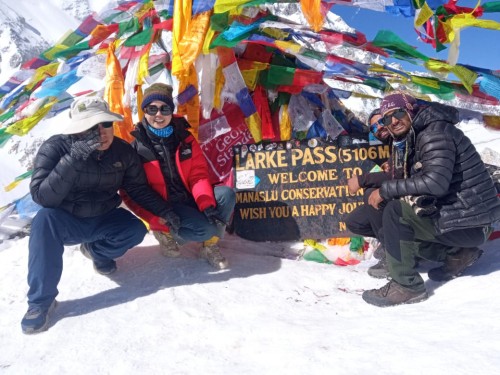
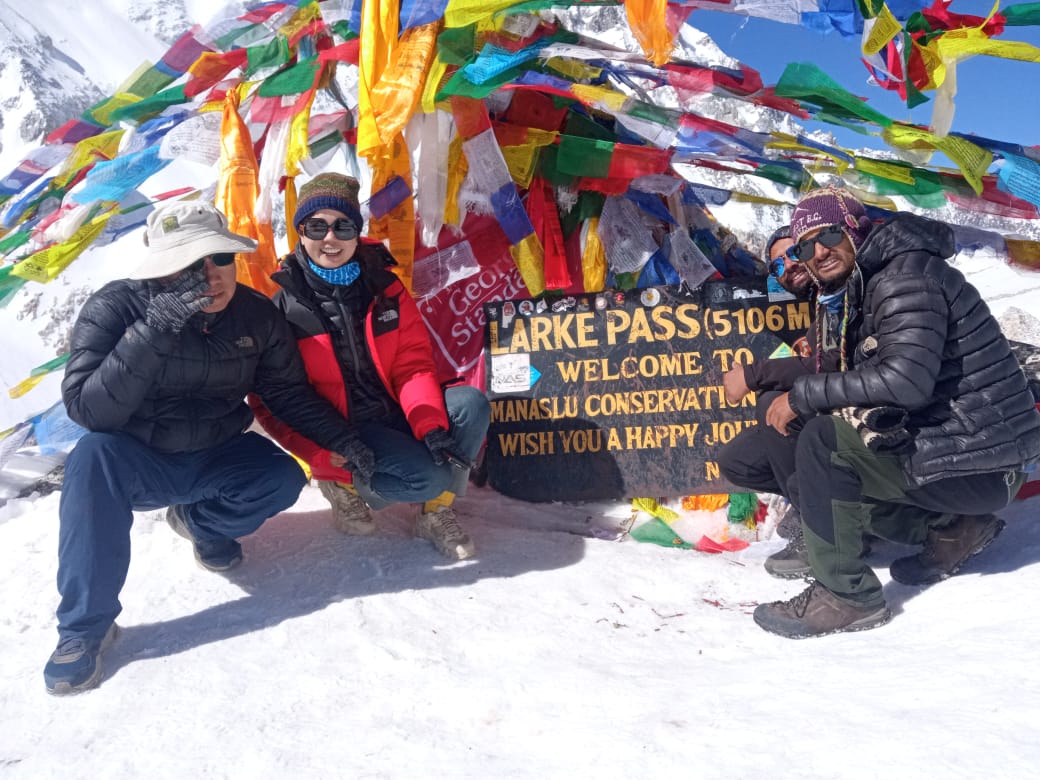
Reaching Larke La Pass (5,106 m) is the highlight of the trek, rewarding trekkers with breathtaking views of Mount Manaslu, Himlung Himal, Cheo Himal, and Annapurna II. The combination of high-altitude adventure and changing landscapes makes every day exciting.
The trail passes through traditional Gurung and Tibetan-influenced villages, where you'll experience ancient monasteries, prayer flags, mani walls, and warm hospitality. Staying in local tea houses offers a genuine insight into Himalayan life.
As a restricted area trek in Nepal, the Manaslu Circuit attracts fewer trekkers than Everest Base Camp or the Annapurna Circuit. This creates a quieter, more immersive trekking experience while helping preserve the region's natural beauty and cultural heritage.
The Manaslu Circuit Trek offers far more than spectacular mountain views. Each section of the trail introduces new landscapes, villages, monasteries, and cultural experiences, making every day of the journey unique.
Machha Khola (970 m) marks the starting point of the Manaslu Circuit Trek after the drive from Kathmandu. This small riverside village sits beside the Budhi Gandaki River and serves as the gateway to Nepal's remote Manaslu region. Most trekkers spend their first night here before beginning the gradual ascent into the Himalayas. Although basic, the village has several tea houses, local shops, and restaurants where trekkers can prepare for the journey ahead.
Jagat is the official entrance to the restricted Manaslu region and the first major checkpoint where trekking permits are inspected. The village is known for its traditional stone-paved streets, terraced farmland, and well-preserved Himalayan architecture. From here onward, the trail becomes noticeably quieter as it enters the restricted area, offering a more remote trekking experience than many other popular routes in Nepal.
Located at around 2,630 meters, Namrung is one of the first villages where trekkers begin to notice the transition from Hindu culture to Tibetan Buddhist traditions. Stone mani walls, prayer wheels, colorful prayer flags, and chortens become increasingly common. Namrung is also the point where the scenery changes dramatically, with clear views of Ganesh Himal, Himalchuli, and the upper Manaslu range appearing for the first time on clear days.
Lho is considered one of the most picturesque villages on the Manaslu Circuit. Sitting beneath Mount Manaslu, the village is home to the historic Ribung Monastery, one of the region's most important Buddhist monasteries. Early mornings often provide unforgettable sunrise views as the first light illuminates the north face of Mount Manaslu, making Lho one of the most photographed stops on the trek.
At approximately 3,530 meters, Samagaon is the largest and most developed settlement on the Manaslu Circuit, making it the primary acclimatization stop before higher elevations. Most trekkers spend an extra day here to adapt to the altitude while exploring nearby attractions such as Birendra Lake, Pungyen Gompa, or the optional hike toward Manaslu Base Camp. With several comfortable tea houses, bakeries, and small shops, Samagaon offers one of the best opportunities to rest before crossing Larke La Pass.
Samdo, located close to the Tibetan border at 3,875 meters, is the final permanent settlement before the high mountain crossing. The village has long served as an important trading community between Nepal and Tibet, and many families still maintain strong cultural and historical ties across the border. Because of its high altitude, Samdo is another valuable acclimatization stop where trekkers can take short hikes to nearby viewpoints to prepare for the challenging ascent ahead.
Often referred to as Larke Phedi or High Camp, Dharamsala is the final overnight stop before crossing Larke La Pass. Sitting above 4,400 meters, this small seasonal settlement consists of a handful of simple lodges designed to support trekkers attempting the pass early the following morning. Facilities are very basic, but spending the night here shortens summit day and improves the chances of crossing the pass before afternoon winds and changing weather conditions.
Larke La Pass is the highest point and the defining challenge of the Manaslu Circuit Trek. Trekkers usually begin the ascent before sunrise, climbing gradually across rocky slopes and snow-covered terrain before reaching the prayer-flag-covered summit. From the top, panoramic views stretch across Mount Manaslu, Himlung Himal, Cheo Himal, Kang Guru, and Annapurna II. Crossing the pass marks the transition from the Manaslu region into the Annapurna Conservation Area.
After the demanding descent from Larke La Pass, Bimthang provides welcome relief with its wide alpine valley, glacial streams, and open meadows. The village is surrounded by towering peaks, including Manaslu, Lamjung Himal, and Cheo Himal, making it one of the most scenic overnight stops on the circuit. Its lower elevation also allows trekkers to recover after the physically demanding pass crossing.
Throughout the journey, trekkers travel through the Manaslu Conservation Area, one of Nepal's richest biodiversity hotspots. The protected region supports rare wildlife such as Himalayan tahr, blue sheep, musk deer, and the elusive snow leopard, while forests of rhododendron, pine, and alpine vegetation create constantly changing scenery.
Elevation: 1,400m (4,593ft)
Distance: N/A
Walking Hours: N/A
Description: Arrive in Kathmandu and transfer to your hotel. Prepare permits (Manaslu Restricted Area Permit, ACAP, and MCAP) and finalize trek logistics. Enjoy a cultural evening in the city.
Elevation: 930m (3,051ft)
Distance: ~160 km (99 miles)
Driving Hours: 7–8 hours
Description: Drive via Dhading Besi and Arughat to reach Machha Khola. Enjoy scenic countryside views along the Budi Gandaki River.
Elevation Gain: +410m
Distance: 22 km (13.7 miles)
Walking Hours: 6–7 hours
Description: Pass through villages like Khorlabesi and Tatopani (hot springs). Cross suspension bridges and enjoy beautiful river views. Register permits at Jagat.
Elevation Gain: +520m
Distance: 19 km (11.8 miles)
Walking Hours: 6–7 hours
Description: Walk past Salleri, Sirdibas, and Philim. The trail narrows with steep ascents and lush greenery.
Elevation Gain: +770m
Distance: 20 km (12.4 miles)
Walking Hours: 6–7 hours
Description: Enjoy views of Shringi Himal and trek through alpine terrain. Cross several mani walls and Buddhist settlements.
Elevation Gain: +900m
Distance: 17 km (10.5 miles)
Walking Hours: 6–7 hours
Description: Pass through Lho and Sho villages with stunning views of Manaslu (8,163m). Experience Tibetan culture as you approach Samagaon.
Elevation: 3,530m (11,581ft)
Distance: Optional hikes (~5 km/3 miles for short hikes)
Walking Hours: 3–5 hours (optional)
Description: Rest and explore nearby sites such as the Pungyen Monastery or Birendra Lake. Acclimatize for the high altitudes ahead.
Elevation Gain: +330m
Distance: 16 km (9.9 miles)
Walking Hours: 4–5 hours
Description: A short, pleasant hike along the river valley. Enjoy views of glaciers and Tibetan-influenced villages.
Elevation Gain: +600m
Distance: 12 km (7.5 miles)
Walking Hours: 4–5 hours
Description: Steep ascents with rocky terrain lead to Dharamsala (Larkya Phedi), the base for the Larkya La Pass. Rest early to prepare for the pass.
Elevation Gain: +700m (pass), -1,440m (descent)
Distance: 24 km (14.9 miles)
Walking Hours: 8–9 hours
Description: A challenging day with stunning views of Himlung, Kang Guru, and Annapurna II. Steep descents lead to the picturesque Bimthang valley.
Elevation Loss: -1,420m
Distance: 21 km (13 miles)
Walking Hours: 6–7 hours
Description: Descend through rhododendron forests, rivers, and small villages. Enjoy panoramic views of the surrounding peaks.
Elevation Loss: -1,540m
Distance: ~25 km (15.5 miles) trekking and driving combined
Walking Hours: 5–6 hours
Driving Hours: 3–4 hours
Description: Complete the trek at Dharapani and take a jeep ride to Besisahar.
Elevation: 1,400m (4,593ft)
Distance: ~175 km (109 miles)
Driving Hours: 7–8 hours
Description: Scenic drive back to Kathmandu. Relax and enjoy the evening in the city.
Elevation: 1,400m (4,593ft)
Description: Depart from Kathmandu or extend your stay for more adventures.
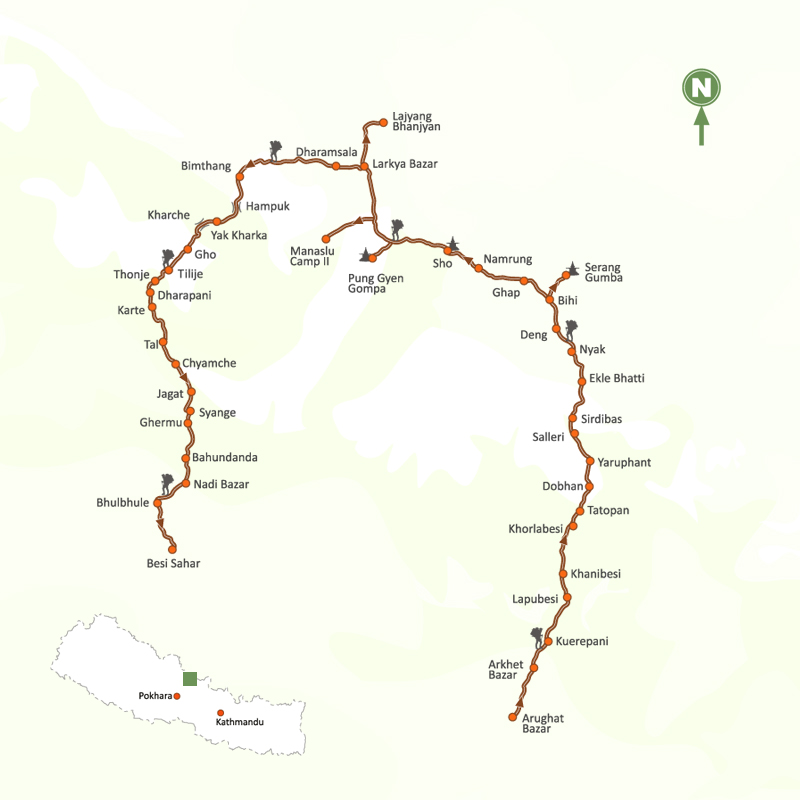
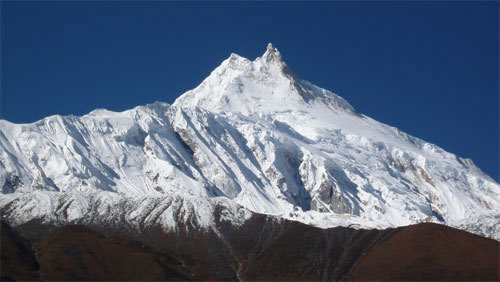
Manaslu Mountain exists to the northwest of Kathmandu near to Annapurna Mountain. Thus, it is possible to enter Annapurna region from Manaslu region by crossing Thorongla Pass via Dharapani. Manaslu stands tall with 8156m and it is the world’s eighth highest mountain.
Yes, you will need permits for Manaslu Trek unless you are Nepali. Along with Manaslu Conservation Area Project (MCAP) Permit and Annapurna Conservation Area Project (ACAP) Permit, you will also need special Restricted Area Permit to do trekking in Manaslu.
Special Restricted Area Permit cost is same for Indians and other foreign trekkers. But you will get discount in ACAP permit and MCAP permit if you are an Indian.
Well, as you know that there are 3 different permits that you should acquire before visiting Manaslu, let us break the price in 3 different heads. Restricted Area Permit for Manaslu is USD 70 per week and you should pay extra US$ 10 per day if you stay longer than a week. Manaslu Conservation Area Project (MCAP) permit fee is US$30 and Annapurna Conservation Area Project (ACAP) permit fee is US$30.
Yes, you can get Manaslu Trek permit all by yourself from Nepal Tourism Board Office in Kathmandu. But remember that you cannot go alone in Restricted Manaslu Area. So, it is better to let Government Registered Trekking Agency handle the task of obtaining trekking permit as trekking must be organized through a government registered trekking agency for entering restricted area.
No, you do not have to pay TIMS Fee if you choose to trek in any restricted areas including Manaslu.
Restricted Area in Manaslu begins from Jagat and ends at Dharapani. Your restricted area permits will be checked at Jagat and Dharapani.
There is not uniformity in price for Manaslu Tsum Valley Trek. But expect to pay around US$3000 if you choose a local travel agency. This is an all-inclusive price. Price may be higher if you choose Internationa; Travel Agencies.
No, the recent change in Government policy has made it mandatory that there should be a group of minimum two persons and they should compulsorily be led by a government registered guide.
If you are alone, you can ask for as permission from another group to join them. Alternatively, you can buy an extra permit for a ghost trekker. But remember that you will still need a guide and you will also need a real passport from another person to obtain permit for ghost trekker.
Manaslu received significant number of tourists only since 2010. Previously, there was no proper trail and camping was the only possible form of accommodation. However, there has been lots of changes since then. These days, tea house trekking is possible in Manaslu. If you have high level of stamina and will to explore the rich cultural aspects of highland, Manaslu Trek is not an impossible activity for you. Difficulty of any trek can be calculated based on average walking hour per day, maximum altitude that you will reach, the terrain that you will pass through and the remoteness of the area.
Expect an average walking hour to be in between 6hrs to 8hrs a day. You should be prepared to walk for up to 10 to 12hrs in a day to cross Larkya La Pass. Number of days depends on the itinerary that you follow. Trek will be easier if you have enough acclimatization days in your itinerary. Larkya La Pass (5169m) is the highest altitude that you will reach in Manaslu Trek. The trekking trail will be mix of easy to rough to rocky exposed sections. You need to go through series of ups and downs and some part of the trail may be permanently covered in snow. So, this trek is not for people with knee problem.
You will drive to Soti Khola via Arughat Bazaar from Kathmandu. Manaslu Circuit Trekking Route begins from Soti Khola. It continues through alpine lands to Samdo via Samagaon. Samdo is located close to Nepal- Tibet border. Larkya La Pass (5169m) is the highest point for Manaslu Tsum Valley Trek. Crossing Larkya La is also the most difficult part of this trek. However, you can prevent Acute Mountain Sickness (AMS) by including enough acclimatization days in your Manaslu Tsum Valley Trek itinerary. You will walk through Bimthang to Dharapani from where the trail continues to Besisahar. Manaslu Tsum Valley Trek ends at Besisahar as you will be driving back to Kathmandu.
You can go to Manaslu Circuit Trek with kids if your kids are fond of traveling, rejoice outdoor experience and has previous trekking experience. Climbing Larkya La is the most difficult part of trek and there is possibility that your child might suffer from Acute Mountain Sickness (AMS). So, it is most important that your child can communicate well with you if in case he faces difficulty. Also, consult with your family doctor and make sure that your child is free from heart and lungs problem.
Spring (March to May) and Autumn (September to November) are considered the best season for Manaslu and Tsum Valley Trek. Monsoon season continues from June to August while chilling cold and mist makes visibility poor during winter days that continues from Late November to February. October is the busiest month for Manaslu and Tsum Valley Trek and you can encounter with many trekkers in this month while you will meet only few trekkers if you visit Manaslu at another period.
Manaslu Trek in September
Sky is clear and most of the local festivals begin from this month. You will also find atmosphere amusing and there will be blooming flowers.
Manaslu Trek in October
October is the peak month for Manaslu Trek. Most of the trekkers visit Manaslu in October. The Monsoon will have just ended and the trail is decorated with ripen oranges in trees.
Manaslu trek in November
November is also the busy period. You can cross Larkya pass till the end of November. However, from December, locals living in Samdo and Samagaon prefer to use another trail that continues from Arughat so that they do not have to cross Larkya La Pass.
Yes, you need insurance for Manaslu Tsum Valley Trek. Your insurance should cover medical evacuation in case you need an emergency rescue. You should read their terms and conditions carefully and know about the highest elevation limit for coverage by insurance. Also, make sure that the insurance provider cover cost of medical evacuation from Manaslu if necessary so that there will be no complications later. Given below are some of the popular insurance companies according to country.
Insurance Company for Canada
https://www.tugo.com/
https://www.ab.bluecross.ca/
Insurance Company for America
http://www.europassistance-usa.com/
http://www.axa-assistance.us/services/travel-insurance.html
For Australia and New Zealand
https://buymembership.internationalsos.com/compare/
https://www.scti.co.nz/travel-insurance
For British Tourists
https://buymembership.internationalsos.com/compare/
http://www.europassistance-usa.com/
For Europe and Slovenia
http://www.europaeische.at
For Germany and Switzerland
http://www.eurocross.com/
For Netherland
https://buymembership.internationalsos.com/compare/
For Tourists from Asia and South-Africa
https://buymembership.internationalsos.com/compare/
http://www.ms-ins.com/english/
Usually Manaslu Circuit Trek itinerary continues for 14days while Manaslu Tsum Valley Trek itinerary can be around 20days long. Nepal Himalayas Trekking offer custom tailored Manaslu and Tsum Valley Trek itinerary to our valued clients. If you are not satisfied with our standard itinerary, you can contact our travel expert and he will help you plan the itinerary according to your choice.
Yes, it is still one of the least frequented off-the beaten treks. Statistically, where more than 10,000 trekkers visited the nearby Annapurna region, only 2000 trekkers had visited Manaslu last year.
With the increase in popularity of Manaslu Tsum Valley Trek, many new teahouses and lodges have been opened in the trail. So, accommodation is available in tea houses if you follow the standard trail. Although, if you like, we can arrange for accommodation in camps. Lodging and food cost in Manaslu and Tsum Valley is never constant. The rate differs from one tea house to the other and the price is also different according to season. Also, you will find the price of food to be higher with increase in the altitude. It is because mules and yaks are the only means of transport available at these high-altitude areas. The staple food- Dal Bhat is cheapest in lower altitude areas while potatoes and tsampa (a local food) is cheapest at high altitude areas. It is because rice is not locally grown at these high-altitude areas.
You will get better experience of internet browsing till Arughat Bazaar while you can also get internet facility at Samagaon. You can also find satellite wifi in Samdo. However, cell phones from NCell GSM Network and Nepal Telecom will work only as far as Arkhet which is near Soti Khola. However, if you have a CDMA sim card, your cell phone will work up to Dharmasala. However, if you need to communicate, it can be managed through V-SAT landline phone.
Weather remains cold for most of the year in Manaslu area. So, always remember to bring on warm clothes. It is best to have 2bags. Include all heavy items that will be in rare use during trek in one bag and pack your personal belongings like money, camera, toilet paper and tooth paste in another bag. The heavy bag will be carried by porters or mules.
However, since this is a teahouse trek, you do not need to bring technical gears with you. Having micro spikes will help help you while lowering down from Larkya La Pass as you will walk down through the icy trail.
You can add following items in packing list for Manaslu Circuit Trek. Note that you do not need to
General
Sleeping bag
Rucksack bag
Down Jacket
For Head and Neck
Hat to keep heat of sun off from your ears and neck
Lightweight Balaclava
UV protection Glacier glasses
Headlamp with extra batteries
A neck warmer
Hand
1 pair liner gloves
1 pair warm gloves (preferably woollen)
1 pair shell gloves
Body
Light thermal tops
Fleece jacket or pullover
Waterproof shell jacket
2 women sports bras (Synthetic)
Legs
2 pairs nylon hiking shorts
4 Underwear
2 pairs lightweight long underwear
1 pair soft shell pants
2 pairs trekking pants
1 pair cotton pants
Feet
4 pairs of liner socks
3 pairs heavy weight socks
1 pair light weight socks
1 pair water proof trekking boots
1 pair light trekking shoes
Medicines and First Aid Kits
Excedrin for headaches
Ibuprofen for general aches and pains
Immodium or Pepto bismol capsules for diarrhoea
Diamox 125 mg for altitude sickness
Miscellaneous
Passport and extra passport photos (4 copies).
Airline ticket
Lip balm
Sunscreen
Pocket knife
Water purification Iodine tablets
Toiletry kit
Toilet paper
Hand wipes
Liquid hand sanitizer
Towel
Yes, we are providing different trekking options in Manaslu. You can choose from Manaslu Tsum Valley Trek, Tsum Valley Trek and Manaslu Circuit Trek. We provide full board service and you will be led by a highly-experienced guide. There will be 1porter for 2trekkers but we can arrange for other porters if necessary.
If you have any other queries about trekking in Manaslu that is not answered in this blog, please ask your question in comment section and we will be happy to answer your queries.
The Manaslu Circuit trek is located in the Gorkha District of Nepal, in the western part of the country. The trek encircles Mount Manaslu, the eighth-highest peak in the world, standing at 8,163 meters (26,781 feet).
Altitude sickness is one of the biggest challenges trekkers may face on the Manaslu Circuit Trek, as the trail climbs from around 970 meters at Machha Khola to Larke La Pass (5,106 meters), where oxygen levels are significantly lower than at sea level. While everyone responds differently to high altitude, the risk generally increases above 2,500–3,000 meters, making villages such as Namrung, Samagaon, Samdo, Dharamsala (Larke Phedi), and Larke La Pass the sections where trekkers should be especially attentive to how they feel.
The best way to reduce the risk is through gradual acclimatization, maintaining a slow and steady pace, drinking plenty of fluids, eating regular meals, and avoiding alcohol or overexertion at higher elevations. Many itineraries include an acclimatization day at Samagaon, which plays an important role in helping your body adjust before the ascent to the pass.
Common early symptoms of Acute Mountain Sickness (AMS) include headache, nausea, dizziness, unusual fatigue, loss of appetite, and difficulty sleeping. If these symptoms become worse instead of improving with rest, do not continue climbing. Inform your trekking guide immediately, as the safest treatment is often to stop ascending and descend to a lower altitude if necessary.
Some trekkers carry Acetazolamide (Diamox) as a preventive or treatment medication after consulting their doctor before the trip. However, medication should never replace proper acclimatization or be used to ignore worsening symptoms. Your guide will monitor your condition and recommend the safest course of action, including arranging evacuation if required.
Simple measures such as staying well hydrated, drinking warm soups, keeping your body warm, and getting adequate rest can help you feel more comfortable during the trek, but they should not be considered treatments for altitude sickness. Proper preparation, listening to your body, and following your guide's advice remain the most effective ways to complete the Manaslu Circuit Trek safely.
The Larke La Pass trek is considered one of Nepal's more demanding tea house adventures due to its rugged terrain, steep ascents, and distance length. This physically and mentally demanding trek involves long hours of walking at vast variations of altitudes.
Trekkers need to pass through rocky trails and mountain passes for several hours a day. It requires every individual to have a high level of endurance and maintain significant energy levels throughout the trek. Most itineraries are designed to keep daily altitude gains below recommended limits. Avoid rushing ahead of your guide, as maintaining a steady pace significantly improves acclimatization and reduces fatigue.
Climbing higher elevations can lead to Acute Mountain Sickness (AMS) due to lower oxygen levels. Trekkers should acclimatize for a day before climbing to a higher elevation to prevent such altitude sickness.
Trekkers should follow various fitness preparation activities for several weeks before starting the trek. Here are a few recommended plans that’ll help complete the trek without facing health issues:
Ask anyone who's done the Manaslu Circuit what they remember most, and the suspension bridges, locally called jhulunge pul, usually come up early. The trail crosses the Buri Gandaki river dozens of times, and the steel cable bridges strung across the gorge are as much a part of the Manaslu experience as the mountain views. Some stretch just a few meters over a calm side stream; others hang high above the Buri Gandaki's whitewater, swinging underfoot as porters and mule trains cross with you. Many of these bridges were rebuilt or reinforced after 2015, when the earthquake and the landslides it triggered destroyed several of the originals. Today they're a genuine engineering fixture of rural Nepal, simple, sturdy, and essential, since without them entire villages along the Nubri Valley would be cut off from each other for months at a time during the monsoon.
The April 25, 2015 Gorkha earthquake, magnitude 7.8, had its epicenter in Barpak, in the same district the Manaslu Circuit passes through, so the trail took a direct hit. Stone houses collapsed in villages along the route, several bridges were destroyed or swept into the Buri Gandaki, and landslides buried sections of trail under rock and debris, forcing trekkers onto rougher alternative paths for well over a year afterward. The lower section of the trail near Jagat came through with relatively little damage, but higher villages closer to the epicenter took the worst of it. Trekker numbers collapsed in the months that followed, dropping from thousands per season to barely two dozen trekkers passing the Jagat checkpoint between the quake and October 2015.
The rebuilding, though, has been thorough. Bridges have been reconstructed, often to a higher standard than before, trails have been rerouted around unstable ground, and teahouses across the region have been repaired or rebuilt. Independent trail assessments conducted in the years after the earthquake found the route not just restored but in places safer and better maintained than it was before 2015, a detail that says as much about the resilience of the villages along this trail as it does about the trail itself.
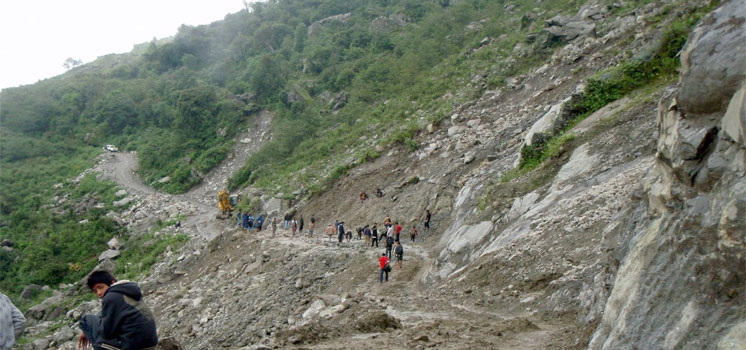
Landslide risk on the Manaslu Circuit is mostly a monsoon season issue. Heavy rainfall between June and early September saturates the slopes above the Buri Gandaki gorge and dislodges loose rock, particularly in narrow sections of trail cut into steep hillsides. This is one of the practical reasons the trek is rarely recommended during monsoon and is instead concentrated in the pre monsoon and post monsoon windows. The government and local municipality monitor known high risk stretches, and licensed guides, required on this route by law, are trained to read trail conditions and reroute around anything unstable. It's a real factor in planning a Manaslu trek, but it's a manageable one, not a reason to avoid the region.
Manaslu Circuit Trek encompasses two restricted areas where trekkers need the Nepal Government’s permission to enter. The protected areas include the Manaslu Conservation Area and the Annapurna Conservation Area.
Not only does the Manaslu Circuit Trek have a restricted area, but the Kanchenjunga Trek, Upper Mustang Trek, Lower Dolpo Trek, Upper Dolpo Trek & Nar Phu Valley Treks are also restricted trekking Packages in Nepal.
The restriction aims to preserve the area's natural beauty, protect endangered wildlife, and conserve its unique environment. Some endangered species roaming freely in this trekking route are Snow Leopard, Red Panda, Himalayan Blue Sheep, and Musk Deer.
Besides, this protected area also preserves the cultural significance of the nearby remote villages. The government wants to control the number of trekkers entering this region to minimize tourism impact.
Until 1991, this trekking route was off-limits to foreign visitors, but today, with a special government-issued permit, international trekkers can access one of Nepal's most secluded trails. This off-the-beaten-path journey leads through stunning terraced farmlands, charming villages, scenic valleys, and remote local settlements. The trek also offers a thrilling experience as you cross the dramatic Budhi Gandaki gorge and its daring suspension bridges, adding an extra layer of adventure.
The accommodation and meals facilities found on this route are much more basic than those found in the Annapurna or Everest region.
Between Jagat and Samagaon, most tea houses provide twin-sharing rooms with wooden beds, mattresses, pillows, and blankets. At higher elevations such as Dharamsala (Larke Phedi), rooms are much more basic and often become fully booked during October and November, so arriving early is recommended. Although blankets are available, carrying a sleeping bag rated to at least -10°C provides extra warmth during cold nights.
Trekkers can enjoy local Nepali and Tibetan dishes in various tea houses. These food dishes include daal bhaat, momo, soups, fried rice, achaar, chapati, thukpa, etc. A selection of snacks, including chocolate, biscuits, and noodles, is also available. Dal Bhat remains the most popular meal because many tea houses offer free refills of rice and lentil soup, making it one of the best-value and most filling options for long trekking days.
Buying bottled water becomes increasingly expensive above Samagaon because supplies are carried by mules or porters. Most trekkers refill reusable bottles with boiled water from tea houses or treat stream water using purification tablets or portable water filters. Trekkers need not worry about the hygiene of food and beverages available in the local tea shops.
Charging phones, cameras, and power banks usually costs between NPR 200–500 per device at higher villages. Because electricity often comes from solar power, charging may be unavailable after cloudy days. Power is often supplied by solar panels or small hydropower systems, so availability may be limited during bad weather. Carrying a power bank is highly recommended to keep your phone, camera, and other devices charged throughout the trek.
Wi-Fi is available in many tea houses along the trail, particularly in larger villages such as Namrung, Lho, Samagaon, and Samdo. Wi-Fi works well enough for messaging apps in larger villages but is generally unreliable for video calls or uploading large files. Expect slower speeds above Samagaon.
Nepal Telecom (NTC) generally offers more reliable coverage than Ncell on the Manaslu Circuit. Mobile signal is usually available in Machha Khola, Jagat, Namrung, Lho, Samagaon, and Samdo, but expect little to no reception between Dharamsala, Larke La Pass, and Bimthang. Trekkers should not rely entirely on mobile networks and should inform family members that communication may be limited during certain sections of the trek.
There are no reliable ATMs after leaving Kathmandu. Trekkers should carry enough Nepalese Rupees to cover food, accommodation, charging fees, Wi-Fi, hot showers, snacks, and tips, as almost all tea houses accept cash only.
Western-style toilets are available in some lower villages, but squat toilets become more common at higher elevations. Carrying your own toilet paper and hand sanitizer is recommended, as these are not always provided. Hot showers are available in many tea houses for an additional fee, but availability decreases with altitude. Above Samdo, some trekkers choose to skip showers due to the cold temperatures.
As with the preparation and planning of the Manaslu Circuit Trek, it is essential for hikers to prepare a cost estimate to cover various expenditures. Foreseen costs include accessing means of transport, accommodation, food and beverages, permits, and guide fees.
Although it is a faraway area, arrangements for traveling to and from the starting point of the trek and for returning to Kathmandu will cost you a lot of money. There are two main options for transportation: private jeeps and local buses.
Private Jeep: Choosing a private jeep means high comfort and the opportunity to adjust the timetable to one's needs. It can transport a group of trekkers and their equipment in a single go and also helps to directly enter the location where the trek begins. It is even more costly than public transportation, but the convenient and relatively faster way of transport makes it reasonable in the long run. The cost of a private jeep transfer from/to Kathmandu to the starting/ending point of the trek is USD 125 to 225, respectively.
Local Bus: However, cost conscious tourists should take a local bus for transportation during their travels. Public transport, like buses, is easily available from Kathmandu up to the starting point of the trek. While this option is comparatively cheaper, it can be less comfortable and time consuming due to halts at several intervals and crowded coaches. The cost of a local bus ticket for the journey from Kathmandu to the starting point and back has been stated as USD 9 to 10.
The road between Arughat and Machha Khola is rough and can become muddy after heavy rain, making private jeeps a faster and more comfortable option than local buses during the monsoon season.
Food expenses are another important necessity that needs to be taken care of. Food served in the tea houses ranges from local to international meals such as dal bhat, noodles, and soups, among others, that are prepared in a Western style. Transportation issues also contribute to the high cost of food because the further up you go, the higher the price of food. It is imperative that one plan on spending up to USD 4 to 5 on each meal. Also, beverages like bottled water, tea, and coffee are sold at an unspecified price between USD 2 and 3 based on various factors.
As mentioned, This restricted area trek in Nepal requires:
Manaslu Restricted Area Permit: $100 for the first 7 days, then $15 per extra day for September to November, and $75 for the first 7 days, then $7 per extra day for December to August
Manaslu Conservation Area Permit (MCAP): USD 30 per person, and NPR 1000 for SAARC countries
Chunubri Municipality: NPR 1000 per person
Annapurna Conservatio Area Permit(ACAP): USD 30 per person, and NPR 1000 for SAARC countries
A licensed guide is required, and sometimes, a porter might be hired to carry personal luggage and belongings. It is always helpful to know that there are competent guides who offer information concerning the route, culture, and other safety measures to be taken into consideration. Not to mention that those individuals who want help transporting their belongings can hire porters. The cost of the services of a guide per day per individual ranges between USD 35 and 90, whereas that of the porter ranges between USD 25 and 35 per day. You should be able to budget for their wages, meals, and accommodations when organizing the team. Local guides also help communicate with tea house owners, monitor trekkers for signs of altitude sickness, and adjust the itinerary if weather conditions affect the Larke La crossing.
Some safety trekking trips follow are hydrating adequately, starting the trek early on to reach the destination before it gets dark, and so on. Here are a few safety guidelines for a safe journey:
The Manaslu Circuit Trek is a restricted-area trek, so independent trekking without a licensed guide is not permitted. Under the updated regulations, solo travellers can now complete the trek by hiring a government-licensed guide through a registered trekking agency, meaning you no longer need to form a group of at least two trekkers. If you prefer trekking with others, you can also join a scheduled group departure. Regardless of whether you trek privately or in a group, an experienced licensed guide enhances your safety by monitoring your health, assisting with acclimatization, coordinating permits and checkpoints, communicating with local tea houses, and organizing emergency evacuation if required.
Acclimatizing, hydrating adequately, and not climbing more than 500 meters in a day can help in preventing altitude sickness. In the case of Acute Mountain Sickness (AMS), descending to a lower altitude is crucial. Mild symptoms such as headache, poor appetite, or disturbed sleep are common above 3,500 meters. If symptoms worsen instead of improving after rest, the safest option is to descend immediately rather than continue climbing.
Most trekking agencies provide emergency communication methods to their guides, such as satellite phones or radios. Trekkers need to purchase insurance that covers helicopter rescue, as it comes with a high cost.
The Manaslu Circuit Trek is more than a journey through spectacular Himalayan landscapes — it's an opportunity to experience a way of life that has remained deeply connected to nature, tradition, and Tibetan Buddhism for centuries. As the trail climbs through sparsely visited mountain villages, you'll witness communities where farming, yak herding, and seasonal trade continue to shape everyday life. Colorful prayer flags flutter above ancient stone houses, monasteries echo with the sound of Buddhist chants, and local festivals bring entire villages together to celebrate their cultural heritage. Taking the time to understand these traditions transforms the Manaslu Circuit from a scenic mountain trek into a meaningful cultural journey through one of Nepal's most heritage-rich Himalayan regions.
Losar is the most important celebration in the upper Manaslu region. Families clean and decorate their homes, monasteries hold special prayers, and locals gather to welcome the new year with traditional dances, music, and festive meals. Visiting during Losar offers trekkers a rare opportunity to witness centuries-old Himalayan customs in a vibrant community setting.
Celebrated mainly in villages such as Lho and Samagaon, Dumje is a Buddhist festival that honors Guru Rinpoche, who is credited with spreading Buddhism throughout the Himalayas. The celebration includes masked dances performed by monks, religious ceremonies, communal feasts, and prayers for prosperity, peace, and protection.
Agriculture remains the backbone of daily life in the lower and middle sections of the Manaslu region. Families cultivate crops such as barley, buckwheat, potatoes, and maize on terraced fields, while livestock provides an important source of income and food. Daily routines revolve around the changing seasons, with planting and harvesting shaping village life.
At higher elevations near Samagaon and Samdo, yak herding becomes an essential livelihood. Yaks transport supplies, produce milk, butter, cheese, and wool, and are perfectly adapted to the harsh alpine environment. During summer, herders move their animals to high mountain pastures before returning to lower settlements as winter approaches.
Villages along the Manaslu Circuit are characterized by sturdy stone-built homes designed to withstand heavy snowfall, strong mountain winds, and freezing temperatures. Flat roofs are commonly used for drying firewood, crops, and medicinal herbs, while thick stone walls provide natural insulation throughout the year.
Meals along the trail reflect both Nepali and Tibetan influences. Dal Bhat remains the staple meal, while trekkers can also enjoy Tibetan bread, thukpa, tsampa, yak cheese, butter tea, momo, and locally grown potatoes. These hearty dishes provide the energy needed for long days of trekking at high altitude.
Buddhism shapes everyday life throughout the upper Manaslu region. Prayer wheels, mani walls, chortens, and monasteries are found in nearly every village. Visitors should always walk clockwise around religious monuments, avoid disturbing prayer ceremonies, ask permission before photographing monks or local residents, and respect local customs when entering monasteries or homes.
The Manaslu Circuit Trek is often regarded as one of Nepal's most complete trekking experiences, combining high mountain passes, sparsely visited Himalayan villages, and rich Buddhist heritage in a single journey. However, every trekker has different interests, fitness levels, and travel schedules. If you've already completed the Manaslu Circuit or are looking for a mountain journey with a different style of adventure, Nepal offers several excellent alternatives.
The Annapurna Circuit Trek is ideal for trekkers seeking a more developed route with greater accommodation choices, varied landscapes, and the famous Thorong La Pass (5,416 m). Those who dream of standing beneath the world's highest mountain may prefer the Everest Base Camp Trek, which combines spectacular Himalayan scenery with Sherpa culture and historic mountain settlements.
If cultural exploration is your priority, the Upper Mustang Trek offers a unique journey into Nepal's former forbidden kingdom, where ancient monasteries, dramatic desert landscapes, and centuries-old Tibetan traditions create a completely different trekking experience. For travellers with limited time or those looking for a moderately challenging Himalayan expedition, the Langtang Valley Trek provides beautiful mountain scenery, authentic Tamang culture, and excellent accessibility from Kathmandu.
Each of these treks offers something different, but the Manaslu Circuit remains the perfect choice for trekkers seeking a balanced combination of wilderness, high-altitude adventure, and living Himalayan culture. Once you've experienced Manaslu, these routes become excellent options for discovering other remarkable regions of Nepal.
If you're still deciding which Himalayan trek suits you best, our trekking specialists can help you compare the Manaslu Circuit Trek, Annapurna Circuit Trek, Everest Base Camp Trek, Upper Mustang Trek, and Langtang Valley Trek based on your available time, trekking experience, budget, and preferred level of difficulty.
Packing for the Manaslu Circuit Trek is different from packing for a typical holiday or even many other trekking routes in Nepal. During the journey, you'll hike from warm subtropical valleys to freezing alpine landscapes, cross the 5,106-meter Larke La Pass, and spend nights in remote tea houses where supplies are limited. Weather conditions can change rapidly, and replacing forgotten gear along the trail is often difficult or expensive. Bringing the right equipment not only makes the trek more comfortable but also improves safety, helps prevent altitude-related problems, and prepares you for everything from sunny afternoons to snowy mountain mornings. The guide below covers the essential clothing, trekking gear, personal items, and accessories recommended for a successful Manaslu Circuit Trek.
Waterproof trekking boots that have already been broken in are strongly recommended. Wearing brand-new boots on the Manaslu Circuit often leads to blisters during the first few trekking days.
For the Manaslu Circuit Trek, you always have to have your original passport with you. It should ideally be valid for at least six months from the date of your entry into Nepal. This document is essential when applying for any permit and the identification process.
A Nepal visa is required while in Nepal, especially for those taking Nepal treks. This type of visa can be granted upon arrival at the country's airports, specifically Tribhuvan International Airport in Kathmandu, or at any of the country's border-crossing points. However, they may try to obtain the visa at a consulate or embassy of the Nepalese Republic in their home country before the journey.
The Manaslu Restricted Area Permit is provided by the Department of Immigration of Nepal. For this permit, you are required to have a valid passport/visa, the itinerary of your holiday, including the trekking company details, and two passport-size photographs. To access the restricted area, a person must also indicate the dates to enter and exit the area.
The Nepal Tourism Board accredits the Manaslu Conservation Area Permit. For this permit, you must provide a passport, visa, or another immigration document with a recent photograph of yourself. This permit helps protect wildlife in the Manaslu area.
Another important card to obtain for trekking in Nepal is the TIMS card (Trekking Information Management System). The card can be obtained from the Nepal Tourism Board and Trekking Agencies Association of Nepal (TAAN), which requires a valid passport/visa for the Himalayan country and one passport-size photograph. Safety and security will also assist in tracking trekkers on the move. Usally TIMS card is not needed for Manaslu Trekking as the Restricted Area Permit already logs your name, passport number, and route with the Department of Immigration, so a TIMS card adds nothing extra for this trek.
To trek in this area, you need to be with an organized group and have a confirmed booking with a local trekking agency since independent trekking is prohibited in the Manaslu region. Furthermore, you will require proof that a licensed guide will guide you throughout the trek. The activity must be with a group of at least two trekkers to qualify for the permits.
There should be travel insurance for such eminent treks with added features like high-altitude trekking or emergency evacuation. Always ensure that you have several people to call in case of emergency, and the telephone numbers of the agency that you engaged for the trekking services.
Permits can be obtained from the Department of Tourism, NTB, which is located in Kathmandu and Pokhara. The Restricted Area Permit is an official document issued in Kathmandu by the Department of Immigration. The permits required largely depend on the choice of trekking destination, and your trekking agency will help with the acquisition of the necessary permits as well as with preparations for the trek.
I recently had the privilege of embarking on the Manaslu Circuit Trek with Nepal Himalayas Trekking, and I am absolutely thrilled to share my exceptional experience. From the moment I connected with Mr. Prakash Lamsal, the owner, to the completion of the trek, every aspect of this journey was marked by professionalism, warmth, and a genuine commitment to ensuring an unforgettable adventure. The booking process for the Manaslu Circuit Trek was seamless and efficient, thanks to Mr. Lamsal's attentive guidance. He patiently addressed all my inquiries and provided detailed information about the trek, itinerary, and required preparations. His timely and informative communication set the tone for the trip and left me feeling confident and well-prepared. The trek itself was a mesmerizing odyssey through the breathtaking landscapes of the Manaslu region. From towering peaks to lush valleys, every step of the journey offered awe-inspiring views that captured the essence of the Himalayas. Mr. Lamsal's expert team of guides and porters ensured our safety and comfort throughout the trek, while also offering insights into the local culture, flora, and fauna. The Manaslu Circuit Trek is a true gem, and Nepal Himalayas Trekking flawlessly executed every detail, allowing me to fully immerse myself in this remarkable adventure. My journey with Nepal Himalayas Trekking on the Manaslu Circuit Trek exceeded all expectations. The breathtaking landscapes, the enriching cultural experiences, and the unwavering support of Mr. Prakash Lamsal and his team combined to create a once-in-a-lifetime adventure. If you're seeking an authentic, well-organized, and unforgettable trekking experience in the Himalayas, look no further than Nepal Himalayas Trekking. I am deeply grateful for this incredible journey and eagerly look forward to my next adventure with this exceptional company.
Show More
Enjoy the popular trekking and tour packages in Nepal Himalayas. 2026.
The Manaslu Circuit Trek (2026) is a 14-day route through one of the quietest corners of the Nepal Himalayas, following the Budhi Gandaki gorge past forested trails, jhulunge pul suspension bridges, and remote mountain passes. You'll walk through Gurung and Tibetan settlements along the way, with views opening up to Manaslu (8,163m), Himalchuli, Naike Peak, Ganesh Himal, and the surrounding peaks.
A dedicated rest day in Samagaon helps your body acclimatize before the push over Larke La Pass at 5,106m. Pacing and stops can be tailored to how you want to trek. Since the trail passes through a government-restricted zone, a special permit, a licensed guide, and usually a porter are required, arranged around your preferences and the season's trail conditions, with the full breakdown built into the itinerary.
The Manaslu Circuit Trek is a high-altitude trekking route in the Gorkha district of Nepal that circles Mount Manaslu (8,163 m), the eighth-highest mountain in the world. The route follows the Budhi Gandaki River, passes through traditional Himalayan villages, and crosses the Larke La Pass (5,106 m) before descending into the Annapurna region. Trekkers experience dramatic changes in landscape, climate, and culture over 12–14 days, making it one of Nepal's most diverse trekking adventures.
Officially opened to foreign trekkers in 1991, the trek around Mount Manaslu has earned a reputation as one of Nepal's finest off-the-beaten-path expeditions. Unlike the busier Everest and Annapurna regions, it offers a quieter Himalayan corridor, dramatic mountain scenery, diverse landscapes, and a heritage-rich cultural experience that has remained largely unchanged for generations.
The name Manaslu comes from the Sanskrit word Manasa, meaning soul or intellect, reflecting the mountain's spiritual significance among local communities. Throughout the journey, trekkers experience an ever-changing landscape, from lush subtropical forests and deep river gorges to alpine meadows, glaciers, and high mountain passes, while enjoying panoramic views of Manaslu, Himalchuli, Ganesh Himal, Himlung Himal, and the Annapurna range.
More than just a mountain trek, the Manaslu Circuit combines a challenging high-altitude expedition with rich cultural encounters. The route follows ancient Himalayan trading trails through the isolated Nubri Valley, where Buddhist monasteries, prayer wheels, mani walls, and traditional stone villages offer a glimpse into a way of life that has endured for centuries.
Whether you're looking for lower visitor numbers, breathtaking Himalayan scenery, or a genuine encounter with living Himalayan culture, the Manaslu Circuit Trek remains one of Nepal's most complete and rewarding trekking adventures.
|
Manaslu Circuit Trek |
Details |
|
Trek Duration |
12 to 14 Days |
|
Minimum Elevation |
970 meters (Machha Khola) |
|
Maximum Elevation |
5,106 meters (Larke La Pass) |
|
Difficulty Level |
Moderate/Strenuous |
|
Best Seasons |
September - November to December - August |
|
Accommodation |
Tea Houses, Lodges (Standard Level) |
|
Distance |
Approximately 177 km (110 miles) |
|
Daily walking hour |
5–8 Hours |
|
Starting Point |
Machha Khola (after a drive from Kathmandu) |
|
Ending Point |
Dharapani (followed by a drive to Kathmandu via Besisahar) |
|
Permit |
Manaslu Restricted Area Permit (RAP), Manaslu Conservation Area Permit (MCAP), Annapurna Conservation Area Permit (ACAP), and Chumnubri Rural Municipality Entry Fee |
The Manaslu Circuit Trek continues to evolve, making the journey safer and more comfortable while preserving its remote Himalayan character. Here are the latest updates for the 2026 trekking season.
Solo trekking regulations remain in effect. Trekkers must obtain permits through a registered trekking agency and be accompanied by a licensed guide, following the latest government regulations.
Permit requirements remain unchanged. The Manaslu Restricted Area Permit (RAP), Manaslu Conservation Area Permit (MCAP), Annapurna Conservation Area Permit (ACAP), and Chumnubri Rural Municipality Entry Fee are still mandatory.
Road access has improved between Kathmandu and Machha Khola, allowing most itineraries to begin closer to the trailhead while reducing travel time.
Several trail sections have been upgraded, including repaired suspension bridges, safer walking paths, and improved signage along frequently used sections of the route.
Tea house facilities continue to improve, with more lodges offering attached bathrooms, hot showers, charging stations, and Wi-Fi in major villages such as Namrung, Lho, and Samagaon.
Mobile network coverage has expanded, although signal strength remains limited at higher elevations, especially beyond Samdo and around Larke La Pass.
Weather patterns have become less predictable, making flexible itineraries and proper acclimatization more important than ever. Sudden snowfall, strong winds, and afternoon cloud build-up can occur even during the main trekking seasons.
Responsible tourism initiatives continue throughout the Manaslu Conservation Area, with greater emphasis on waste management, trail conservation, and supporting local communities.
The Manaslu Circuit is ideal for trekkers who prefer a peaceful trekking experience over Nepal's busiest trekking corridors. Unlike Everest Base Camp trek, the journey doesn't require domestic flights, reducing both costs and weather-related delays. Compared to the Annapurna Circuit, the Manaslu region feels more isolated and culturally preserved due to its restricted area status. If you're looking for a challenging mountain journey that combines wilderness, traditional villages, and a low-traffic trail, Manaslu is an excellent choice.
One of the trek's greatest advantages is its balance between expedition and heritage. The route circles Mount Manaslu (8,163 m), and passes through villages where centuries-old Buddhist traditions continue to shape everyday life. Ancient monasteries, spinning prayer wheels, stone-built settlements, and long-standing trading routes create an experience that extends far beyond mountain scenery.
The restricted area status also helps preserve the region's natural beauty and living Himalayan culture. Because trekking here requires a licensed guide and special permits, visitor numbers remain relatively low, allowing you to enjoy quieter trails and a more genuine connection with local communities.
Compared with the Everest region, the Manaslu Circuit is often more affordable since it does not require expensive domestic flights. Compared with the Annapurna Circuit, it provides a more sparsely visited and less developed trekking experience while still offering comfortable tea house accommodation throughout the route.
Whether you're an experienced trekker looking for a new challenge or someone seeking a quieter alternative to Nepal's busiest trekking destinations, the Manaslu Circuit Trek offers an exceptional combination of adventure, scenery, culture, and wilderness.
Planning a trek in the Manaslu region requires more than simply booking an itinerary. Because the route passes through a restricted area, choosing an experienced local operator can make your journey smoother, safer, and more enjoyable. Nepal Himalayas Trekking is a government-licensed trekking company based in Thamel, Kathmandu, founded by Mr. Prakash Lamsal. The company has been organizing Himalayan adventures since 2013 and formally established its current operation in 2019, offering guided treks across Everest, Annapurna, Manaslu, Langtang, Kanchenjunga, and other regions.
The 14-day Manaslu Circuit Trek takes you through sparsely visited Himalayan villages, lush forests, deep river valleys, and high mountain passes, offering a perfect blend of expedition, culture, and breathtaking scenery. The first few days involve trekking through subtropical forests and river valleys with gradual altitude gain. Midway through the trek, villages become increasingly shaped by Nubri heritage, and the terrain transitions into alpine landscapes. After acclimatizing at Samagaon, the route climbs toward Dharamsala before crossing Larke La Pass early in the morning. The final days involve a long descent through forests and glacial valleys until reaching Dharapani.
Your journey begins with a scenic drive from Kathmandu to Machha Khola, followed by a trek along the Budhi Gandaki River. The trail winds through terraced fields, dense forests, waterfalls, and suspension bridges before reaching the traditional village of Jagat, the official entry point to the restricted Manaslu region.
From Jagat to Namrung, Lho, and Samagaon, you'll pass through charming stone villages shaped by Tibetan-influenced settlements. Ancient monasteries, prayer flags, mani walls, and chortens line the trail, while friendly tea houses provide a warm welcome and an opportunity to experience local hospitality.
A rest day in Samagaon helps your body adjust to the higher altitude before crossing Larke La Pass. During your stay, you can visit Birendra Lake, hike toward Manaslu Base Camp, or explore Pungyen Gompa, all while enjoying spectacular views of Mount Manaslu and the surrounding Himalayan peaks.
The highlight of the trek is one of Nepal's most scenic high mountain passes. Most groups leave Dharamsala between 3:00 and 4:00 AM to cross the pass before strong afternoon winds develop. The climb is gradual but lengthy, and temperatures before sunrise are often below freezing even during peak trekking seasons. After an early morning climb, you'll be rewarded with panoramic views of Mount Manaslu, Himlung Himal, Cheo Himal, and Annapurna II before descending toward the beautiful valley of Bimthang.
After the pass, the trail leads through alpine meadows, pine forests, and glacial streams before reaching Dharapani, where the Manaslu Circuit joins the famous Annapurna Circuit. From here, you'll drive via Besisahar back to Kathmandu, completing one of Nepal's most unforgettable Himalayan expeditions.
The area between Jagat and Dharapani is a restricted zone, so you can't trek here alone. You need a group of at least two people, a licensed guide, and a permit arranged through a registered trekking agency. A freelance guide can't get you this permit. Carry printed copies of your permits throughout the trek, as they are checked at several police and conservation checkpoints between Jagat and Dharapani.
You'll need three permits in total.
This permit covers you from Jagat to Sama Gaun. After Sama Gaun, you switch to the ACAP. The cost depends on the season:
Needed from Philim onward. SAARC nationals pay NPR 1,000; everyone else pays USD 30, year-round. You'll need a passport copy and a photo.
Needed from Dharapani to Beshi Sahar. Same price as the MCAP: NPR 1,000 for SAARC nationals, USD 30 for others. Same documents required.
Beyond the three government permits, there's a fourth, smaller fee that many older guides don't mention: the Chumnubri Rural Municipality entry fee. The Manaslu trekking route runs almost entirely through Chumnubri Rural Municipality in Gorkha district, a local government body covering the former Samagaun, Lho, Prok, Bihi, Chekampar, Chumche, and Siridibas areas, stretching from 1,239 meters up to the 8,163-meter summit of Manaslu itself. Since 2024, the municipality has collected its own entry fee of NPR 1,000 per foreign trekker (NPR 200 for domestic trekkers), payable in cash at a checkpoint in Jagat, Ward 3. Unlike the RAP, MCAP, and ACAP, this money doesn't go to a national body — it funds local infrastructure and services directly in the villages the trail passes through: trail maintenance, small-scale development, and community projects in a municipality that has no road access beyond Machha Khola. It's a reminder that the Manaslu Circuit isn't just scenery. It passes through a functioning local government area whose communities depend on trekking revenue to build and maintain what the trail runs through.
No. The Restricted Area Permit already logs your name, passport number, and route with the Department of Immigration, so a TIMS card adds nothing extra for this trek. TIMS only becomes relevant if you continue past Dharapani deep into the open Annapurna Circuit.
Permit fees are subject to revision each season. Always confirm current rates with your trekking agency before departure.
The Manaslu Circuit Trek, known as one of the most beautiful treks of the Manaslu region, is possible in the pre-monsoon or post-monsoon period. March through May marks the beginning of spring, and the area's climate is generally favourable. However, there might be occasional showers, and the flowers — especially rhododendrons — give the trails a spectacular burst of colour. This period brings relatively mild conditions, making it well suited for trekking. It also delivers some of the best views of the surrounding mountains, including Mount Manaslu, with vibrant foliage and flowers adding real character to the trail.
Another good season for the Manaslu round trip and other treks in Nepal is autumn — September, October, and November. The monsoon rains wash away dust and pollutants, offering pristine air and splendid views of the looming peaks. The climate is relatively moderate to warm, and most of the time the weather stays favourable for trekking, with fewer dangers from extreme terrain or trail conditions. This window also coincides with major festivals in Nepal, including Dashain and Tihar, so you can get a genuine feel of the cultural side of the journey alongside the trekking itself. Both of these seasons are ideal for appreciating the natural beauty and living Himalayan culture that the Manaslu Circuit offers its visitors.
A well-planned itinerary plays a vital role in the success of any high-altitude expedition. This 12 to 14-day Manaslu Circuit Trek itinerary has been carefully designed to provide a comfortable pace, proper acclimatization, and enough time to fully experience the natural and cultural highlights of the region.
Rather than rushing between villages, the itinerary gradually gains elevation, allowing your body to adapt naturally before crossing Larke La Pass (5,106 m). An additional acclimatization day at Samagaon helps reduce the risk of altitude sickness while giving trekkers the opportunity to explore nearby attractions such as Birendra Lake, Manaslu Base Camp (optional), and Pungyen Gompa.
The daily walking distances are balanced to maximize enjoyment without unnecessary exhaustion. Each overnight stop has been selected not only for its logistical advantages but also for its scenic beauty and cultural significance, allowing trekkers to spend more time interacting with local communities and experiencing life in the remote Himalayas.
The itinerary also offers flexibility. Trekkers seeking additional cultural exploration can extend the journey to the sacred Tsum Valley, while those following the standard circuit continue across Larke La Pass before descending into the Annapurna region.
This balanced approach creates a safer, more enjoyable trekking experience while allowing visitors to appreciate the region's landscapes, culture, and mountain scenery at a relaxed pace.
Many trekkers describe the Manaslu Circuit as one of Nepal's most satisfying long-distance treks because every stage feels different. The gradual transition from subtropical valleys to high Himalayan terrain creates a strong sense of progression, while the low-traffic trail allows for a quieter and more personal mountain journey. For many visitors, the friendships formed in remote tea houses and the achievement of assending Larke La Pass become the most memorable parts of the trip.
Reaching Larke La Pass (5,106 m) is the highlight of the trek, rewarding trekkers with breathtaking views of Mount Manaslu, Himlung Himal, Cheo Himal, and Annapurna II. The combination of high-altitude adventure and changing landscapes makes every day exciting.
The trail passes through traditional Gurung and Tibetan-influenced villages, where you'll experience ancient monasteries, prayer flags, mani walls, and warm hospitality. Staying in local tea houses offers a genuine insight into Himalayan life.
As a restricted area trek in Nepal, the Manaslu Circuit attracts fewer trekkers than Everest Base Camp or the Annapurna Circuit. This creates a quieter, more immersive trekking experience while helping preserve the region's natural beauty and cultural heritage.
The Manaslu Circuit Trek offers far more than spectacular mountain views. Each section of the trail introduces new landscapes, villages, monasteries, and cultural experiences, making every day of the journey unique.
Machha Khola (970 m) marks the starting point of the Manaslu Circuit Trek after the drive from Kathmandu. This small riverside village sits beside the Budhi Gandaki River and serves as the gateway to Nepal's remote Manaslu region. Most trekkers spend their first night here before beginning the gradual ascent into the Himalayas. Although basic, the village has several tea houses, local shops, and restaurants where trekkers can prepare for the journey ahead.
Jagat is the official entrance to the restricted Manaslu region and the first major checkpoint where trekking permits are inspected. The village is known for its traditional stone-paved streets, terraced farmland, and well-preserved Himalayan architecture. From here onward, the trail becomes noticeably quieter as it enters the restricted area, offering a more remote trekking experience than many other popular routes in Nepal.
Located at around 2,630 meters, Namrung is one of the first villages where trekkers begin to notice the transition from Hindu culture to Tibetan Buddhist traditions. Stone mani walls, prayer wheels, colorful prayer flags, and chortens become increasingly common. Namrung is also the point where the scenery changes dramatically, with clear views of Ganesh Himal, Himalchuli, and the upper Manaslu range appearing for the first time on clear days.
Lho is considered one of the most picturesque villages on the Manaslu Circuit. Sitting beneath Mount Manaslu, the village is home to the historic Ribung Monastery, one of the region's most important Buddhist monasteries. Early mornings often provide unforgettable sunrise views as the first light illuminates the north face of Mount Manaslu, making Lho one of the most photographed stops on the trek.
At approximately 3,530 meters, Samagaon is the largest and most developed settlement on the Manaslu Circuit, making it the primary acclimatization stop before higher elevations. Most trekkers spend an extra day here to adapt to the altitude while exploring nearby attractions such as Birendra Lake, Pungyen Gompa, or the optional hike toward Manaslu Base Camp. With several comfortable tea houses, bakeries, and small shops, Samagaon offers one of the best opportunities to rest before crossing Larke La Pass.
Samdo, located close to the Tibetan border at 3,875 meters, is the final permanent settlement before the high mountain crossing. The village has long served as an important trading community between Nepal and Tibet, and many families still maintain strong cultural and historical ties across the border. Because of its high altitude, Samdo is another valuable acclimatization stop where trekkers can take short hikes to nearby viewpoints to prepare for the challenging ascent ahead.
Often referred to as Larke Phedi or High Camp, Dharamsala is the final overnight stop before crossing Larke La Pass. Sitting above 4,400 meters, this small seasonal settlement consists of a handful of simple lodges designed to support trekkers attempting the pass early the following morning. Facilities are very basic, but spending the night here shortens summit day and improves the chances of crossing the pass before afternoon winds and changing weather conditions.
Larke La Pass is the highest point and the defining challenge of the Manaslu Circuit Trek. Trekkers usually begin the ascent before sunrise, climbing gradually across rocky slopes and snow-covered terrain before reaching the prayer-flag-covered summit. From the top, panoramic views stretch across Mount Manaslu, Himlung Himal, Cheo Himal, Kang Guru, and Annapurna II. Crossing the pass marks the transition from the Manaslu region into the Annapurna Conservation Area.
After the demanding descent from Larke La Pass, Bimthang provides welcome relief with its wide alpine valley, glacial streams, and open meadows. The village is surrounded by towering peaks, including Manaslu, Lamjung Himal, and Cheo Himal, making it one of the most scenic overnight stops on the circuit. Its lower elevation also allows trekkers to recover after the physically demanding pass crossing.
Throughout the journey, trekkers travel through the Manaslu Conservation Area, one of Nepal's richest biodiversity hotspots. The protected region supports rare wildlife such as Himalayan tahr, blue sheep, musk deer, and the elusive snow leopard, while forests of rhododendron, pine, and alpine vegetation create constantly changing scenery.
Elevation: 1,400m (4,593ft)
Distance: N/A
Walking Hours: N/A
Description: Arrive in Kathmandu and transfer to your hotel. Prepare permits (Manaslu Restricted Area Permit, ACAP, and MCAP) and finalize trek logistics. Enjoy a cultural evening in the city.
Elevation: 930m (3,051ft)
Distance: ~160 km (99 miles)
Driving Hours: 7–8 hours
Description: Drive via Dhading Besi and Arughat to reach Machha Khola. Enjoy scenic countryside views along the Budi Gandaki River.
Elevation Gain: +410m
Distance: 22 km (13.7 miles)
Walking Hours: 6–7 hours
Description: Pass through villages like Khorlabesi and Tatopani (hot springs). Cross suspension bridges and enjoy beautiful river views. Register permits at Jagat.
Elevation Gain: +520m
Distance: 19 km (11.8 miles)
Walking Hours: 6–7 hours
Description: Walk past Salleri, Sirdibas, and Philim. The trail narrows with steep ascents and lush greenery.
Elevation Gain: +770m
Distance: 20 km (12.4 miles)
Walking Hours: 6–7 hours
Description: Enjoy views of Shringi Himal and trek through alpine terrain. Cross several mani walls and Buddhist settlements.
Elevation Gain: +900m
Distance: 17 km (10.5 miles)
Walking Hours: 6–7 hours
Description: Pass through Lho and Sho villages with stunning views of Manaslu (8,163m). Experience Tibetan culture as you approach Samagaon.
Elevation: 3,530m (11,581ft)
Distance: Optional hikes (~5 km/3 miles for short hikes)
Walking Hours: 3–5 hours (optional)
Description: Rest and explore nearby sites such as the Pungyen Monastery or Birendra Lake. Acclimatize for the high altitudes ahead.
Elevation Gain: +330m
Distance: 16 km (9.9 miles)
Walking Hours: 4–5 hours
Description: A short, pleasant hike along the river valley. Enjoy views of glaciers and Tibetan-influenced villages.
Elevation Gain: +600m
Distance: 12 km (7.5 miles)
Walking Hours: 4–5 hours
Description: Steep ascents with rocky terrain lead to Dharamsala (Larkya Phedi), the base for the Larkya La Pass. Rest early to prepare for the pass.
Elevation Gain: +700m (pass), -1,440m (descent)
Distance: 24 km (14.9 miles)
Walking Hours: 8–9 hours
Description: A challenging day with stunning views of Himlung, Kang Guru, and Annapurna II. Steep descents lead to the picturesque Bimthang valley.
Elevation Loss: -1,420m
Distance: 21 km (13 miles)
Walking Hours: 6–7 hours
Description: Descend through rhododendron forests, rivers, and small villages. Enjoy panoramic views of the surrounding peaks.
Elevation Loss: -1,540m
Distance: ~25 km (15.5 miles) trekking and driving combined
Walking Hours: 5–6 hours
Driving Hours: 3–4 hours
Description: Complete the trek at Dharapani and take a jeep ride to Besisahar.
Elevation: 1,400m (4,593ft)
Distance: ~175 km (109 miles)
Driving Hours: 7–8 hours
Description: Scenic drive back to Kathmandu. Relax and enjoy the evening in the city.
Elevation: 1,400m (4,593ft)
Description: Depart from Kathmandu or extend your stay for more adventures.
Manaslu Mountain exists to the northwest of Kathmandu near to Annapurna Mountain. Thus, it is possible to enter Annapurna region from Manaslu region by crossing Thorongla Pass via Dharapani. Manaslu stands tall with 8156m and it is the world’s eighth highest mountain.
Yes, you will need permits for Manaslu Trek unless you are Nepali. Along with Manaslu Conservation Area Project (MCAP) Permit and Annapurna Conservation Area Project (ACAP) Permit, you will also need special Restricted Area Permit to do trekking in Manaslu.
Special Restricted Area Permit cost is same for Indians and other foreign trekkers. But you will get discount in ACAP permit and MCAP permit if you are an Indian.
Well, as you know that there are 3 different permits that you should acquire before visiting Manaslu, let us break the price in 3 different heads. Restricted Area Permit for Manaslu is USD 70 per week and you should pay extra US$ 10 per day if you stay longer than a week. Manaslu Conservation Area Project (MCAP) permit fee is US$30 and Annapurna Conservation Area Project (ACAP) permit fee is US$30.
Yes, you can get Manaslu Trek permit all by yourself from Nepal Tourism Board Office in Kathmandu. But remember that you cannot go alone in Restricted Manaslu Area. So, it is better to let Government Registered Trekking Agency handle the task of obtaining trekking permit as trekking must be organized through a government registered trekking agency for entering restricted area.
No, you do not have to pay TIMS Fee if you choose to trek in any restricted areas including Manaslu.
Restricted Area in Manaslu begins from Jagat and ends at Dharapani. Your restricted area permits will be checked at Jagat and Dharapani.
There is not uniformity in price for Manaslu Tsum Valley Trek. But expect to pay around US$3000 if you choose a local travel agency. This is an all-inclusive price. Price may be higher if you choose Internationa; Travel Agencies.
No, the recent change in Government policy has made it mandatory that there should be a group of minimum two persons and they should compulsorily be led by a government registered guide.
If you are alone, you can ask for as permission from another group to join them. Alternatively, you can buy an extra permit for a ghost trekker. But remember that you will still need a guide and you will also need a real passport from another person to obtain permit for ghost trekker.
Manaslu received significant number of tourists only since 2010. Previously, there was no proper trail and camping was the only possible form of accommodation. However, there has been lots of changes since then. These days, tea house trekking is possible in Manaslu. If you have high level of stamina and will to explore the rich cultural aspects of highland, Manaslu Trek is not an impossible activity for you. Difficulty of any trek can be calculated based on average walking hour per day, maximum altitude that you will reach, the terrain that you will pass through and the remoteness of the area.
Expect an average walking hour to be in between 6hrs to 8hrs a day. You should be prepared to walk for up to 10 to 12hrs in a day to cross Larkya La Pass. Number of days depends on the itinerary that you follow. Trek will be easier if you have enough acclimatization days in your itinerary. Larkya La Pass (5169m) is the highest altitude that you will reach in Manaslu Trek. The trekking trail will be mix of easy to rough to rocky exposed sections. You need to go through series of ups and downs and some part of the trail may be permanently covered in snow. So, this trek is not for people with knee problem.
You will drive to Soti Khola via Arughat Bazaar from Kathmandu. Manaslu Circuit Trekking Route begins from Soti Khola. It continues through alpine lands to Samdo via Samagaon. Samdo is located close to Nepal- Tibet border. Larkya La Pass (5169m) is the highest point for Manaslu Tsum Valley Trek. Crossing Larkya La is also the most difficult part of this trek. However, you can prevent Acute Mountain Sickness (AMS) by including enough acclimatization days in your Manaslu Tsum Valley Trek itinerary. You will walk through Bimthang to Dharapani from where the trail continues to Besisahar. Manaslu Tsum Valley Trek ends at Besisahar as you will be driving back to Kathmandu.
You can go to Manaslu Circuit Trek with kids if your kids are fond of traveling, rejoice outdoor experience and has previous trekking experience. Climbing Larkya La is the most difficult part of trek and there is possibility that your child might suffer from Acute Mountain Sickness (AMS). So, it is most important that your child can communicate well with you if in case he faces difficulty. Also, consult with your family doctor and make sure that your child is free from heart and lungs problem.
Spring (March to May) and Autumn (September to November) are considered the best season for Manaslu and Tsum Valley Trek. Monsoon season continues from June to August while chilling cold and mist makes visibility poor during winter days that continues from Late November to February. October is the busiest month for Manaslu and Tsum Valley Trek and you can encounter with many trekkers in this month while you will meet only few trekkers if you visit Manaslu at another period.
Manaslu Trek in September
Sky is clear and most of the local festivals begin from this month. You will also find atmosphere amusing and there will be blooming flowers.
Manaslu Trek in October
October is the peak month for Manaslu Trek. Most of the trekkers visit Manaslu in October. The Monsoon will have just ended and the trail is decorated with ripen oranges in trees.
Manaslu trek in November
November is also the busy period. You can cross Larkya pass till the end of November. However, from December, locals living in Samdo and Samagaon prefer to use another trail that continues from Arughat so that they do not have to cross Larkya La Pass.
Yes, you need insurance for Manaslu Tsum Valley Trek. Your insurance should cover medical evacuation in case you need an emergency rescue. You should read their terms and conditions carefully and know about the highest elevation limit for coverage by insurance. Also, make sure that the insurance provider cover cost of medical evacuation from Manaslu if necessary so that there will be no complications later. Given below are some of the popular insurance companies according to country.
Insurance Company for Canada
https://www.tugo.com/
https://www.ab.bluecross.ca/
Insurance Company for America
http://www.europassistance-usa.com/
http://www.axa-assistance.us/services/travel-insurance.html
For Australia and New Zealand
https://buymembership.internationalsos.com/compare/
https://www.scti.co.nz/travel-insurance
For British Tourists
https://buymembership.internationalsos.com/compare/
http://www.europassistance-usa.com/
For Europe and Slovenia
http://www.europaeische.at
For Germany and Switzerland
http://www.eurocross.com/
For Netherland
https://buymembership.internationalsos.com/compare/
For Tourists from Asia and South-Africa
https://buymembership.internationalsos.com/compare/
http://www.ms-ins.com/english/
Usually Manaslu Circuit Trek itinerary continues for 14days while Manaslu Tsum Valley Trek itinerary can be around 20days long. Nepal Himalayas Trekking offer custom tailored Manaslu and Tsum Valley Trek itinerary to our valued clients. If you are not satisfied with our standard itinerary, you can contact our travel expert and he will help you plan the itinerary according to your choice.
Yes, it is still one of the least frequented off-the beaten treks. Statistically, where more than 10,000 trekkers visited the nearby Annapurna region, only 2000 trekkers had visited Manaslu last year.
With the increase in popularity of Manaslu Tsum Valley Trek, many new teahouses and lodges have been opened in the trail. So, accommodation is available in tea houses if you follow the standard trail. Although, if you like, we can arrange for accommodation in camps. Lodging and food cost in Manaslu and Tsum Valley is never constant. The rate differs from one tea house to the other and the price is also different according to season. Also, you will find the price of food to be higher with increase in the altitude. It is because mules and yaks are the only means of transport available at these high-altitude areas. The staple food- Dal Bhat is cheapest in lower altitude areas while potatoes and tsampa (a local food) is cheapest at high altitude areas. It is because rice is not locally grown at these high-altitude areas.
You will get better experience of internet browsing till Arughat Bazaar while you can also get internet facility at Samagaon. You can also find satellite wifi in Samdo. However, cell phones from NCell GSM Network and Nepal Telecom will work only as far as Arkhet which is near Soti Khola. However, if you have a CDMA sim card, your cell phone will work up to Dharmasala. However, if you need to communicate, it can be managed through V-SAT landline phone.
Weather remains cold for most of the year in Manaslu area. So, always remember to bring on warm clothes. It is best to have 2bags. Include all heavy items that will be in rare use during trek in one bag and pack your personal belongings like money, camera, toilet paper and tooth paste in another bag. The heavy bag will be carried by porters or mules.
However, since this is a teahouse trek, you do not need to bring technical gears with you. Having micro spikes will help help you while lowering down from Larkya La Pass as you will walk down through the icy trail.
You can add following items in packing list for Manaslu Circuit Trek. Note that you do not need to
General
Sleeping bag
Rucksack bag
Down Jacket
For Head and Neck
Hat to keep heat of sun off from your ears and neck
Lightweight Balaclava
UV protection Glacier glasses
Headlamp with extra batteries
A neck warmer
Hand
1 pair liner gloves
1 pair warm gloves (preferably woollen)
1 pair shell gloves
Body
Light thermal tops
Fleece jacket or pullover
Waterproof shell jacket
2 women sports bras (Synthetic)
Legs
2 pairs nylon hiking shorts
4 Underwear
2 pairs lightweight long underwear
1 pair soft shell pants
2 pairs trekking pants
1 pair cotton pants
Feet
4 pairs of liner socks
3 pairs heavy weight socks
1 pair light weight socks
1 pair water proof trekking boots
1 pair light trekking shoes
Medicines and First Aid Kits
Excedrin for headaches
Ibuprofen for general aches and pains
Immodium or Pepto bismol capsules for diarrhoea
Diamox 125 mg for altitude sickness
Miscellaneous
Passport and extra passport photos (4 copies).
Airline ticket
Lip balm
Sunscreen
Pocket knife
Water purification Iodine tablets
Toiletry kit
Toilet paper
Hand wipes
Liquid hand sanitizer
Towel
Yes, we are providing different trekking options in Manaslu. You can choose from Manaslu Tsum Valley Trek, Tsum Valley Trek and Manaslu Circuit Trek. We provide full board service and you will be led by a highly-experienced guide. There will be 1porter for 2trekkers but we can arrange for other porters if necessary.
If you have any other queries about trekking in Manaslu that is not answered in this blog, please ask your question in comment section and we will be happy to answer your queries.
The Manaslu Circuit trek is located in the Gorkha District of Nepal, in the western part of the country. The trek encircles Mount Manaslu, the eighth-highest peak in the world, standing at 8,163 meters (26,781 feet).
Altitude sickness is one of the biggest challenges trekkers may face on the Manaslu Circuit Trek, as the trail climbs from around 970 meters at Machha Khola to Larke La Pass (5,106 meters), where oxygen levels are significantly lower than at sea level. While everyone responds differently to high altitude, the risk generally increases above 2,500–3,000 meters, making villages such as Namrung, Samagaon, Samdo, Dharamsala (Larke Phedi), and Larke La Pass the sections where trekkers should be especially attentive to how they feel.
The best way to reduce the risk is through gradual acclimatization, maintaining a slow and steady pace, drinking plenty of fluids, eating regular meals, and avoiding alcohol or overexertion at higher elevations. Many itineraries include an acclimatization day at Samagaon, which plays an important role in helping your body adjust before the ascent to the pass.
Common early symptoms of Acute Mountain Sickness (AMS) include headache, nausea, dizziness, unusual fatigue, loss of appetite, and difficulty sleeping. If these symptoms become worse instead of improving with rest, do not continue climbing. Inform your trekking guide immediately, as the safest treatment is often to stop ascending and descend to a lower altitude if necessary.
Some trekkers carry Acetazolamide (Diamox) as a preventive or treatment medication after consulting their doctor before the trip. However, medication should never replace proper acclimatization or be used to ignore worsening symptoms. Your guide will monitor your condition and recommend the safest course of action, including arranging evacuation if required.
Simple measures such as staying well hydrated, drinking warm soups, keeping your body warm, and getting adequate rest can help you feel more comfortable during the trek, but they should not be considered treatments for altitude sickness. Proper preparation, listening to your body, and following your guide's advice remain the most effective ways to complete the Manaslu Circuit Trek safely.
The Larke La Pass trek is considered one of Nepal's more demanding tea house adventures due to its rugged terrain, steep ascents, and distance length. This physically and mentally demanding trek involves long hours of walking at vast variations of altitudes.
Trekkers need to pass through rocky trails and mountain passes for several hours a day. It requires every individual to have a high level of endurance and maintain significant energy levels throughout the trek. Most itineraries are designed to keep daily altitude gains below recommended limits. Avoid rushing ahead of your guide, as maintaining a steady pace significantly improves acclimatization and reduces fatigue.
Climbing higher elevations can lead to Acute Mountain Sickness (AMS) due to lower oxygen levels. Trekkers should acclimatize for a day before climbing to a higher elevation to prevent such altitude sickness.
Trekkers should follow various fitness preparation activities for several weeks before starting the trek. Here are a few recommended plans that’ll help complete the trek without facing health issues:
Ask anyone who's done the Manaslu Circuit what they remember most, and the suspension bridges, locally called jhulunge pul, usually come up early. The trail crosses the Buri Gandaki river dozens of times, and the steel cable bridges strung across the gorge are as much a part of the Manaslu experience as the mountain views. Some stretch just a few meters over a calm side stream; others hang high above the Buri Gandaki's whitewater, swinging underfoot as porters and mule trains cross with you. Many of these bridges were rebuilt or reinforced after 2015, when the earthquake and the landslides it triggered destroyed several of the originals. Today they're a genuine engineering fixture of rural Nepal, simple, sturdy, and essential, since without them entire villages along the Nubri Valley would be cut off from each other for months at a time during the monsoon.
The April 25, 2015 Gorkha earthquake, magnitude 7.8, had its epicenter in Barpak, in the same district the Manaslu Circuit passes through, so the trail took a direct hit. Stone houses collapsed in villages along the route, several bridges were destroyed or swept into the Buri Gandaki, and landslides buried sections of trail under rock and debris, forcing trekkers onto rougher alternative paths for well over a year afterward. The lower section of the trail near Jagat came through with relatively little damage, but higher villages closer to the epicenter took the worst of it. Trekker numbers collapsed in the months that followed, dropping from thousands per season to barely two dozen trekkers passing the Jagat checkpoint between the quake and October 2015.
The rebuilding, though, has been thorough. Bridges have been reconstructed, often to a higher standard than before, trails have been rerouted around unstable ground, and teahouses across the region have been repaired or rebuilt. Independent trail assessments conducted in the years after the earthquake found the route not just restored but in places safer and better maintained than it was before 2015, a detail that says as much about the resilience of the villages along this trail as it does about the trail itself.
Landslide risk on the Manaslu Circuit is mostly a monsoon season issue. Heavy rainfall between June and early September saturates the slopes above the Buri Gandaki gorge and dislodges loose rock, particularly in narrow sections of trail cut into steep hillsides. This is one of the practical reasons the trek is rarely recommended during monsoon and is instead concentrated in the pre monsoon and post monsoon windows. The government and local municipality monitor known high risk stretches, and licensed guides, required on this route by law, are trained to read trail conditions and reroute around anything unstable. It's a real factor in planning a Manaslu trek, but it's a manageable one, not a reason to avoid the region.
Manaslu Circuit Trek encompasses two restricted areas where trekkers need the Nepal Government’s permission to enter. The protected areas include the Manaslu Conservation Area and the Annapurna Conservation Area.
Not only does the Manaslu Circuit Trek have a restricted area, but the Kanchenjunga Trek, Upper Mustang Trek, Lower Dolpo Trek, Upper Dolpo Trek & Nar Phu Valley Treks are also restricted trekking Packages in Nepal.
The restriction aims to preserve the area's natural beauty, protect endangered wildlife, and conserve its unique environment. Some endangered species roaming freely in this trekking route are Snow Leopard, Red Panda, Himalayan Blue Sheep, and Musk Deer.
Besides, this protected area also preserves the cultural significance of the nearby remote villages. The government wants to control the number of trekkers entering this region to minimize tourism impact.
Until 1991, this trekking route was off-limits to foreign visitors, but today, with a special government-issued permit, international trekkers can access one of Nepal's most secluded trails. This off-the-beaten-path journey leads through stunning terraced farmlands, charming villages, scenic valleys, and remote local settlements. The trek also offers a thrilling experience as you cross the dramatic Budhi Gandaki gorge and its daring suspension bridges, adding an extra layer of adventure.
The accommodation and meals facilities found on this route are much more basic than those found in the Annapurna or Everest region.
Between Jagat and Samagaon, most tea houses provide twin-sharing rooms with wooden beds, mattresses, pillows, and blankets. At higher elevations such as Dharamsala (Larke Phedi), rooms are much more basic and often become fully booked during October and November, so arriving early is recommended. Although blankets are available, carrying a sleeping bag rated to at least -10°C provides extra warmth during cold nights.
Trekkers can enjoy local Nepali and Tibetan dishes in various tea houses. These food dishes include daal bhaat, momo, soups, fried rice, achaar, chapati, thukpa, etc. A selection of snacks, including chocolate, biscuits, and noodles, is also available. Dal Bhat remains the most popular meal because many tea houses offer free refills of rice and lentil soup, making it one of the best-value and most filling options for long trekking days.
Buying bottled water becomes increasingly expensive above Samagaon because supplies are carried by mules or porters. Most trekkers refill reusable bottles with boiled water from tea houses or treat stream water using purification tablets or portable water filters. Trekkers need not worry about the hygiene of food and beverages available in the local tea shops.
Charging phones, cameras, and power banks usually costs between NPR 200–500 per device at higher villages. Because electricity often comes from solar power, charging may be unavailable after cloudy days. Power is often supplied by solar panels or small hydropower systems, so availability may be limited during bad weather. Carrying a power bank is highly recommended to keep your phone, camera, and other devices charged throughout the trek.
Wi-Fi is available in many tea houses along the trail, particularly in larger villages such as Namrung, Lho, Samagaon, and Samdo. Wi-Fi works well enough for messaging apps in larger villages but is generally unreliable for video calls or uploading large files. Expect slower speeds above Samagaon.
Nepal Telecom (NTC) generally offers more reliable coverage than Ncell on the Manaslu Circuit. Mobile signal is usually available in Machha Khola, Jagat, Namrung, Lho, Samagaon, and Samdo, but expect little to no reception between Dharamsala, Larke La Pass, and Bimthang. Trekkers should not rely entirely on mobile networks and should inform family members that communication may be limited during certain sections of the trek.
There are no reliable ATMs after leaving Kathmandu. Trekkers should carry enough Nepalese Rupees to cover food, accommodation, charging fees, Wi-Fi, hot showers, snacks, and tips, as almost all tea houses accept cash only.
Western-style toilets are available in some lower villages, but squat toilets become more common at higher elevations. Carrying your own toilet paper and hand sanitizer is recommended, as these are not always provided. Hot showers are available in many tea houses for an additional fee, but availability decreases with altitude. Above Samdo, some trekkers choose to skip showers due to the cold temperatures.
As with the preparation and planning of the Manaslu Circuit Trek, it is essential for hikers to prepare a cost estimate to cover various expenditures. Foreseen costs include accessing means of transport, accommodation, food and beverages, permits, and guide fees.
Although it is a faraway area, arrangements for traveling to and from the starting point of the trek and for returning to Kathmandu will cost you a lot of money. There are two main options for transportation: private jeeps and local buses.
Private Jeep: Choosing a private jeep means high comfort and the opportunity to adjust the timetable to one's needs. It can transport a group of trekkers and their equipment in a single go and also helps to directly enter the location where the trek begins. It is even more costly than public transportation, but the convenient and relatively faster way of transport makes it reasonable in the long run. The cost of a private jeep transfer from/to Kathmandu to the starting/ending point of the trek is USD 125 to 225, respectively.
Local Bus: However, cost conscious tourists should take a local bus for transportation during their travels. Public transport, like buses, is easily available from Kathmandu up to the starting point of the trek. While this option is comparatively cheaper, it can be less comfortable and time consuming due to halts at several intervals and crowded coaches. The cost of a local bus ticket for the journey from Kathmandu to the starting point and back has been stated as USD 9 to 10.
The road between Arughat and Machha Khola is rough and can become muddy after heavy rain, making private jeeps a faster and more comfortable option than local buses during the monsoon season.
Food expenses are another important necessity that needs to be taken care of. Food served in the tea houses ranges from local to international meals such as dal bhat, noodles, and soups, among others, that are prepared in a Western style. Transportation issues also contribute to the high cost of food because the further up you go, the higher the price of food. It is imperative that one plan on spending up to USD 4 to 5 on each meal. Also, beverages like bottled water, tea, and coffee are sold at an unspecified price between USD 2 and 3 based on various factors.
As mentioned, This restricted area trek in Nepal requires:
Manaslu Restricted Area Permit: $100 for the first 7 days, then $15 per extra day for September to November, and $75 for the first 7 days, then $7 per extra day for December to August
Manaslu Conservation Area Permit (MCAP): USD 30 per person, and NPR 1000 for SAARC countries
Chunubri Municipality: NPR 1000 per person
Annapurna Conservatio Area Permit(ACAP): USD 30 per person, and NPR 1000 for SAARC countries
A licensed guide is required, and sometimes, a porter might be hired to carry personal luggage and belongings. It is always helpful to know that there are competent guides who offer information concerning the route, culture, and other safety measures to be taken into consideration. Not to mention that those individuals who want help transporting their belongings can hire porters. The cost of the services of a guide per day per individual ranges between USD 35 and 90, whereas that of the porter ranges between USD 25 and 35 per day. You should be able to budget for their wages, meals, and accommodations when organizing the team. Local guides also help communicate with tea house owners, monitor trekkers for signs of altitude sickness, and adjust the itinerary if weather conditions affect the Larke La crossing.
Some safety trekking trips follow are hydrating adequately, starting the trek early on to reach the destination before it gets dark, and so on. Here are a few safety guidelines for a safe journey:
The Manaslu Circuit Trek is a restricted-area trek, so independent trekking without a licensed guide is not permitted. Under the updated regulations, solo travellers can now complete the trek by hiring a government-licensed guide through a registered trekking agency, meaning you no longer need to form a group of at least two trekkers. If you prefer trekking with others, you can also join a scheduled group departure. Regardless of whether you trek privately or in a group, an experienced licensed guide enhances your safety by monitoring your health, assisting with acclimatization, coordinating permits and checkpoints, communicating with local tea houses, and organizing emergency evacuation if required.
Acclimatizing, hydrating adequately, and not climbing more than 500 meters in a day can help in preventing altitude sickness. In the case of Acute Mountain Sickness (AMS), descending to a lower altitude is crucial. Mild symptoms such as headache, poor appetite, or disturbed sleep are common above 3,500 meters. If symptoms worsen instead of improving after rest, the safest option is to descend immediately rather than continue climbing.
Most trekking agencies provide emergency communication methods to their guides, such as satellite phones or radios. Trekkers need to purchase insurance that covers helicopter rescue, as it comes with a high cost.
The Manaslu Circuit Trek is more than a journey through spectacular Himalayan landscapes — it's an opportunity to experience a way of life that has remained deeply connected to nature, tradition, and Tibetan Buddhism for centuries. As the trail climbs through sparsely visited mountain villages, you'll witness communities where farming, yak herding, and seasonal trade continue to shape everyday life. Colorful prayer flags flutter above ancient stone houses, monasteries echo with the sound of Buddhist chants, and local festivals bring entire villages together to celebrate their cultural heritage. Taking the time to understand these traditions transforms the Manaslu Circuit from a scenic mountain trek into a meaningful cultural journey through one of Nepal's most heritage-rich Himalayan regions.
Losar is the most important celebration in the upper Manaslu region. Families clean and decorate their homes, monasteries hold special prayers, and locals gather to welcome the new year with traditional dances, music, and festive meals. Visiting during Losar offers trekkers a rare opportunity to witness centuries-old Himalayan customs in a vibrant community setting.
Celebrated mainly in villages such as Lho and Samagaon, Dumje is a Buddhist festival that honors Guru Rinpoche, who is credited with spreading Buddhism throughout the Himalayas. The celebration includes masked dances performed by monks, religious ceremonies, communal feasts, and prayers for prosperity, peace, and protection.
Agriculture remains the backbone of daily life in the lower and middle sections of the Manaslu region. Families cultivate crops such as barley, buckwheat, potatoes, and maize on terraced fields, while livestock provides an important source of income and food. Daily routines revolve around the changing seasons, with planting and harvesting shaping village life.
At higher elevations near Samagaon and Samdo, yak herding becomes an essential livelihood. Yaks transport supplies, produce milk, butter, cheese, and wool, and are perfectly adapted to the harsh alpine environment. During summer, herders move their animals to high mountain pastures before returning to lower settlements as winter approaches.
Villages along the Manaslu Circuit are characterized by sturdy stone-built homes designed to withstand heavy snowfall, strong mountain winds, and freezing temperatures. Flat roofs are commonly used for drying firewood, crops, and medicinal herbs, while thick stone walls provide natural insulation throughout the year.
Meals along the trail reflect both Nepali and Tibetan influences. Dal Bhat remains the staple meal, while trekkers can also enjoy Tibetan bread, thukpa, tsampa, yak cheese, butter tea, momo, and locally grown potatoes. These hearty dishes provide the energy needed for long days of trekking at high altitude.
Buddhism shapes everyday life throughout the upper Manaslu region. Prayer wheels, mani walls, chortens, and monasteries are found in nearly every village. Visitors should always walk clockwise around religious monuments, avoid disturbing prayer ceremonies, ask permission before photographing monks or local residents, and respect local customs when entering monasteries or homes.
The Manaslu Circuit Trek is often regarded as one of Nepal's most complete trekking experiences, combining high mountain passes, sparsely visited Himalayan villages, and rich Buddhist heritage in a single journey. However, every trekker has different interests, fitness levels, and travel schedules. If you've already completed the Manaslu Circuit or are looking for a mountain journey with a different style of adventure, Nepal offers several excellent alternatives.
The Annapurna Circuit Trek is ideal for trekkers seeking a more developed route with greater accommodation choices, varied landscapes, and the famous Thorong La Pass (5,416 m). Those who dream of standing beneath the world's highest mountain may prefer the Everest Base Camp Trek, which combines spectacular Himalayan scenery with Sherpa culture and historic mountain settlements.
If cultural exploration is your priority, the Upper Mustang Trek offers a unique journey into Nepal's former forbidden kingdom, where ancient monasteries, dramatic desert landscapes, and centuries-old Tibetan traditions create a completely different trekking experience. For travellers with limited time or those looking for a moderately challenging Himalayan expedition, the Langtang Valley Trek provides beautiful mountain scenery, authentic Tamang culture, and excellent accessibility from Kathmandu.
Each of these treks offers something different, but the Manaslu Circuit remains the perfect choice for trekkers seeking a balanced combination of wilderness, high-altitude adventure, and living Himalayan culture. Once you've experienced Manaslu, these routes become excellent options for discovering other remarkable regions of Nepal.
If you're still deciding which Himalayan trek suits you best, our trekking specialists can help you compare the Manaslu Circuit Trek, Annapurna Circuit Trek, Everest Base Camp Trek, Upper Mustang Trek, and Langtang Valley Trek based on your available time, trekking experience, budget, and preferred level of difficulty.
Packing for the Manaslu Circuit Trek is different from packing for a typical holiday or even many other trekking routes in Nepal. During the journey, you'll hike from warm subtropical valleys to freezing alpine landscapes, cross the 5,106-meter Larke La Pass, and spend nights in remote tea houses where supplies are limited. Weather conditions can change rapidly, and replacing forgotten gear along the trail is often difficult or expensive. Bringing the right equipment not only makes the trek more comfortable but also improves safety, helps prevent altitude-related problems, and prepares you for everything from sunny afternoons to snowy mountain mornings. The guide below covers the essential clothing, trekking gear, personal items, and accessories recommended for a successful Manaslu Circuit Trek.
Waterproof trekking boots that have already been broken in are strongly recommended. Wearing brand-new boots on the Manaslu Circuit often leads to blisters during the first few trekking days.
For the Manaslu Circuit Trek, you always have to have your original passport with you. It should ideally be valid for at least six months from the date of your entry into Nepal. This document is essential when applying for any permit and the identification process.
A Nepal visa is required while in Nepal, especially for those taking Nepal treks. This type of visa can be granted upon arrival at the country's airports, specifically Tribhuvan International Airport in Kathmandu, or at any of the country's border-crossing points. However, they may try to obtain the visa at a consulate or embassy of the Nepalese Republic in their home country before the journey.
The Manaslu Restricted Area Permit is provided by the Department of Immigration of Nepal. For this permit, you are required to have a valid passport/visa, the itinerary of your holiday, including the trekking company details, and two passport-size photographs. To access the restricted area, a person must also indicate the dates to enter and exit the area.
The Nepal Tourism Board accredits the Manaslu Conservation Area Permit. For this permit, you must provide a passport, visa, or another immigration document with a recent photograph of yourself. This permit helps protect wildlife in the Manaslu area.
Another important card to obtain for trekking in Nepal is the TIMS card (Trekking Information Management System). The card can be obtained from the Nepal Tourism Board and Trekking Agencies Association of Nepal (TAAN), which requires a valid passport/visa for the Himalayan country and one passport-size photograph. Safety and security will also assist in tracking trekkers on the move. Usally TIMS card is not needed for Manaslu Trekking as the Restricted Area Permit already logs your name, passport number, and route with the Department of Immigration, so a TIMS card adds nothing extra for this trek.
To trek in this area, you need to be with an organized group and have a confirmed booking with a local trekking agency since independent trekking is prohibited in the Manaslu region. Furthermore, you will require proof that a licensed guide will guide you throughout the trek. The activity must be with a group of at least two trekkers to qualify for the permits.
There should be travel insurance for such eminent treks with added features like high-altitude trekking or emergency evacuation. Always ensure that you have several people to call in case of emergency, and the telephone numbers of the agency that you engaged for the trekking services.
Permits can be obtained from the Department of Tourism, NTB, which is located in Kathmandu and Pokhara. The Restricted Area Permit is an official document issued in Kathmandu by the Department of Immigration. The permits required largely depend on the choice of trekking destination, and your trekking agency will help with the acquisition of the necessary permits as well as with preparations for the trek.
Hyden Chen
17th Aug, 2023
I recently had the privilege of embarking on the Manaslu Circuit Trek with Nepal Himalayas Trekking, and I am absolutely thrilled to share my exceptional experience. From the moment I connected with Mr. Prakash Lamsal, the owner, to the completion of the trek, every aspect of this journey was marked by professionalism, warmth, and a genuine commitment to ensuring an unforgettable adventure. The booking process for the Manaslu Circuit Trek was seamless and efficient, thanks to Mr. Lamsal's attentive guidance. He patiently addressed all my inquiries and provided detailed information about the trek, itinerary, and required preparations. His timely and informative communication set the tone for the trip and left me feeling confident and well-prepared. The trek itself was a mesmerizing odyssey through the breathtaking landscapes of the Manaslu region. From towering peaks to lush valleys, every step of the journey offered awe-inspiring views that captured the essence of the Himalayas. Mr. Lamsal's expert team of guides and porters ensured our safety and comfort throughout the trek, while also offering insights into the local culture, flora, and fauna. The Manaslu Circuit Trek is a true gem, and Nepal Himalayas Trekking flawlessly executed every detail, allowing me to fully immerse myself in this remarkable adventure. My journey with Nepal Himalayas Trekking on the Manaslu Circuit Trek exceeded all expectations. The breathtaking landscapes, the enriching cultural experiences, and the unwavering support of Mr. Prakash Lamsal and his team combined to create a once-in-a-lifetime adventure. If you're seeking an authentic, well-organized, and unforgettable trekking experience in the Himalayas, look no further than Nepal Himalayas Trekking. I am deeply grateful for this incredible journey and eagerly look forward to my next adventure with this exceptional company.